Using Feedback to Improve Future Corporate Events
Tips & Tricks · 18 December 2025

In the dynamic world of corporate events, feedback is more than just a formality, it’s a strategic asset. Gathering insights from attendees, stakeholders, and internal teams can unveil opportunities to elevate the attendee experience, refine operations, and align your event more closely with business objectives. But collecting feedback is only the beginning; the real impact comes from interpreting and acting on it. In this article, we explore how event organisers can harness feedback effectively to deliver increasingly successful corporate events.
Categorising Feedback into Actionable Themes

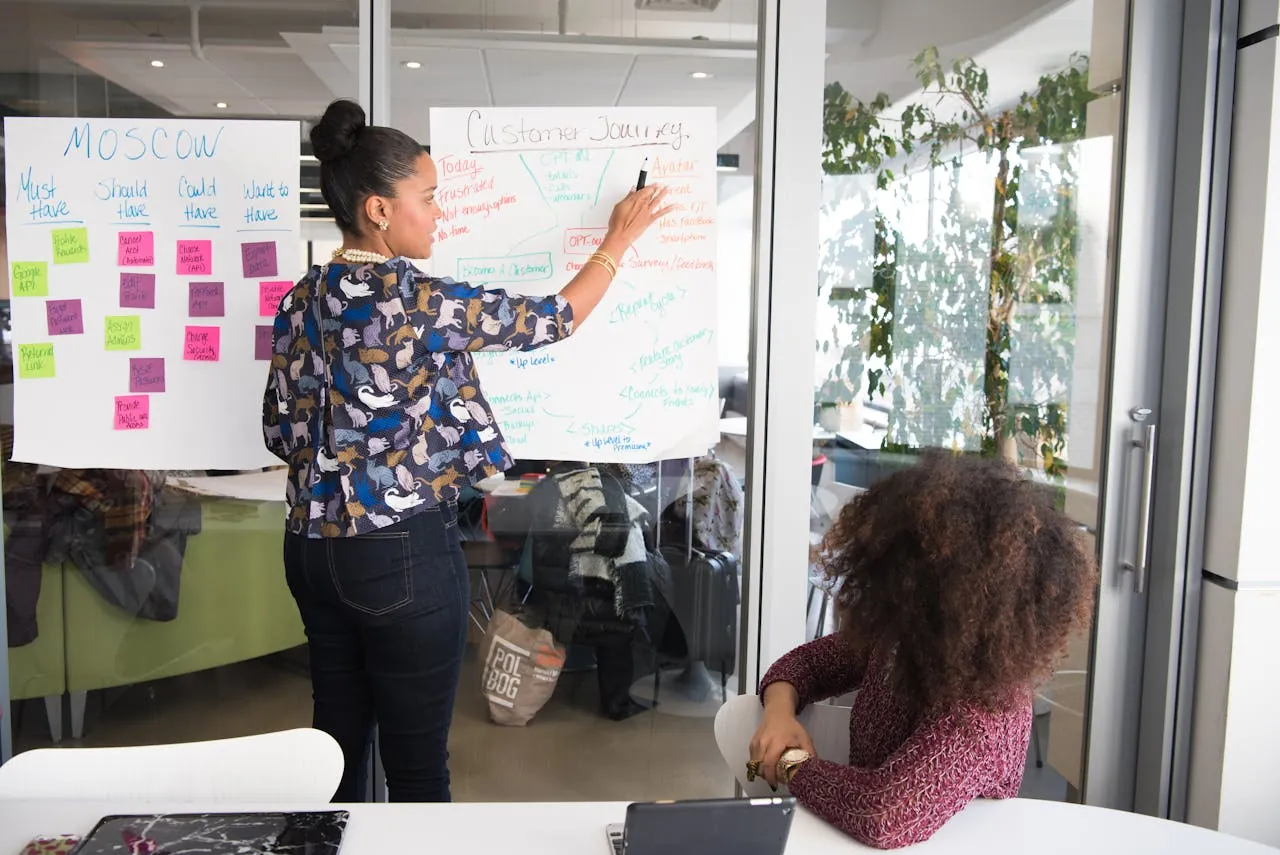
Event organisers reviewing attendee feedback together to plan improvements for future corporate events.
Once your event wraps up, you’re likely left with a wealth of raw feedback. To make the most of it, it’s essential to organise that information into clear and meaningful categories. This process not only clarifies next steps but helps to avoid being overwhelmed by disparate opinions and suggestions. Categorising feedback turns it into a usable roadmap for improvement.
- Split feedback by stakeholder type: Separate responses from attendees, partners, sponsors, and internal team members. This helps identify what matters most to each group and tailor improvements accordingly. It also enables more targeted communication and follow-up. For example, sponsors may care about brand visibility, while attendees focus on experience and engagement.
- Group by themes: Look for common trends. Did several people mention long queues, unclear signage, or uninspiring content? Group similar feedback under operational, content, logistics, or engagement categories. Doing so makes it easier to prioritise efforts. You’ll be able to tackle entire issues holistically instead of fixing isolated comments.
- Highlight positives and negatives: Balance your focus by recognising both what worked and what didn’t. Knowing your strengths allows you to repeat and enhance them. At the same time, identifying pain points gives you clear direction for refinement. Avoid ignoring positive feedback. It’s just as important to understand what to preserve.
- Identify urgent versus long-term feedback: Some feedback, like poor sound quality or missing signage, requires immediate rectification. Other suggestions, such as altering your event’s structure, might be considered for future editions. Categorising by urgency ensures you’re not overwhelmed by tasks and can act efficiently. It also helps manage expectations when communicating outcomes.
- Use a centralised feedback tracker: Compile all data into a shared document or platform with filters for theme, priority, and type. This creates transparency across your team and ensures no input is lost. It also makes progress tracking easier as actions are taken. Everyone stays aligned on what needs doing and when.
Involving Your Team in the Improvement Process

Feedback isn’t just for leadership it’s a collaborative tool that empowers your entire event team. Including various departments in the process ensures a more nuanced understanding of what needs improving and promotes a culture of shared responsibility. When everyone feels involved, they become invested in delivering better results next time.
- Hold a post-mortem meeting: Gather the team shortly after the event while insights are still fresh. Use this time to discuss the feedback themes and invite contributions. Encourage open dialogue to unpack what went well and what needs changing. It’s a moment to reflect collectively, not just review data.
- Assign areas of ownership: Give different team members responsibility for specific categories of feedback. For instance, let logistics handle venue-related issues while marketing addresses communication. This spreads the workload and ensures more in-depth problem-solving. It also helps build a sense of accountability and clarity.
- Encourage idea generation: Once problems are identified, ask your team for solutions. They may have seen issues first-hand and can offer realistic, creative fixes. This approach fosters innovation and makes improvements more practical. A collaborative culture often leads to more effective problem-solving.
- Track implementation progress: Use project management tools to log who is addressing which feedback and what the timelines are. Regular updates help maintain momentum and prevent tasks from falling through the cracks. Visible progress also boosts morale. Everyone sees that feedback leads to real change.
- Celebrate team wins: Acknowledge improvements that result from internal suggestions. This motivates the team to stay engaged with future feedback cycles. Positive reinforcement reinforces a feedback-positive culture. Celebrating small wins can boost team cohesion and morale.
Iterating on Past Mistakes for Better Planning
No event is flawless, and that’s perfectly okay. What matters most is how you respond to what didn’t go as planned. By identifying and iterating on mistakes, you set the foundation for stronger events going forward. The key is to avoid repeating the same errors.
- Document past challenges: Create a post-event file that lists what went wrong and how it was addressed. Use it as a point of reference during future planning stages. This avoids reintroducing old problems. It’s a valuable asset for institutional memory.
- Conduct root cause analysis: Go beyond surface-level issues to understand why something failed. If registration queues were long, was it understaffing, tech issues, or poor signage? Knowing the root cause allows you to fix the actual problem. It leads to more effective solutions rather than band-aid fixes.
- Test revised processes early: For recurring issues, trial updated workflows or systems before your next event. For example, switch to e-ticketing and conduct a dry run. This ensures your changes are effective and minimises surprises. Iteration should be proactive, not reactive.
- Record the outcomes of fixes: When you apply feedback-driven changes, record the results. Did the new signage reduce confusion? Did attendees rate the sessions more highly? Tracking outcomes validates your efforts and guides future decisions. It provides proof of progress for stakeholders too.
- Normalise the review cycle: Make feedback analysis and iteration a standard part of your event planning process. Embed it into timelines, checklists, and roles. This keeps learning continuous and ensures you’re always evolving. Regular reflection prevents stagnation.
Aligning Changes with Long-Term Event Goals
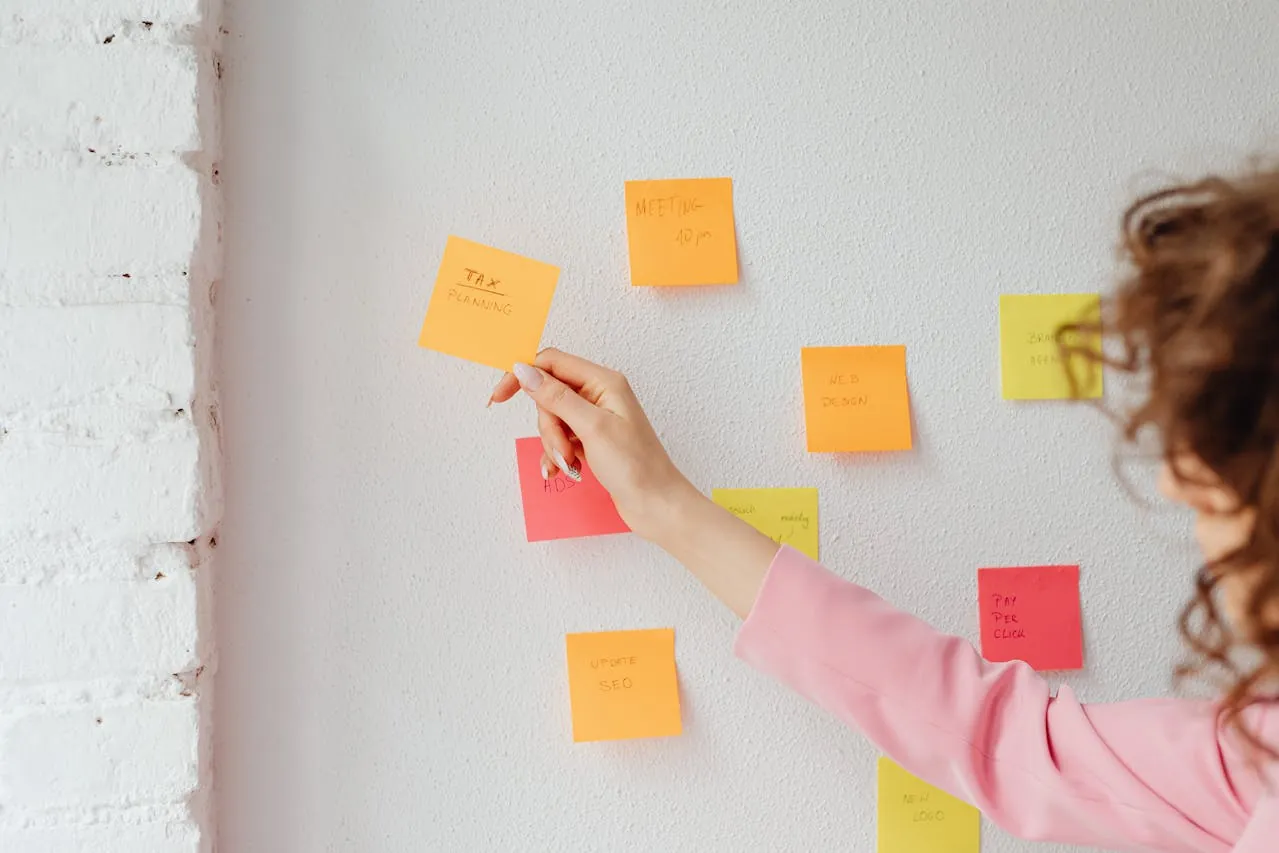
Improving events isn’t just about solving immediate problems it’s about staying aligned with your organisation’s strategic goals. Whether it’s brand visibility, employee engagement, or thought leadership, every change should support the bigger picture. Feedback should feed directly into this broader vision.
- Map feedback to business objectives: Identify which suggestions support wider goals. If your company aims to enhance networking opportunities, focus on improving interactive spaces. Aligning event design with business strategy ensures greater value. It also helps you defend budget and resource allocation.
- Revisit event KPIs: Reassess whether your current KPIs reflect what truly matters. If you’re constantly exceeding low attendance targets, consider raising the bar. Feedback may reveal shifting priorities that need new metrics. Regular KPI reviews keep goals relevant.
- Prioritise sustainable improvements: Make changes that contribute to long-term efficiency and impact. For example, investing in better event software may improve future experiences across the board. Avoid short-term fixes with limited value. Sustainability of improvements is key.
- Communicate long-term vision to teams: When teams know the “why” behind changes, they’re more motivated. It helps them understand how their efforts contribute to something larger. Clear direction keeps everyone aligned. Vision-led planning strengthens purpose.
- Create a feedback-to-goals tracker: Maintain a document that maps feedback themes to strategic goals. This visual link strengthens reporting and accountability. It also helps secure stakeholder buy-in for future changes. Clarity leads to better planning.
Showcasing Improvements to Your Audience
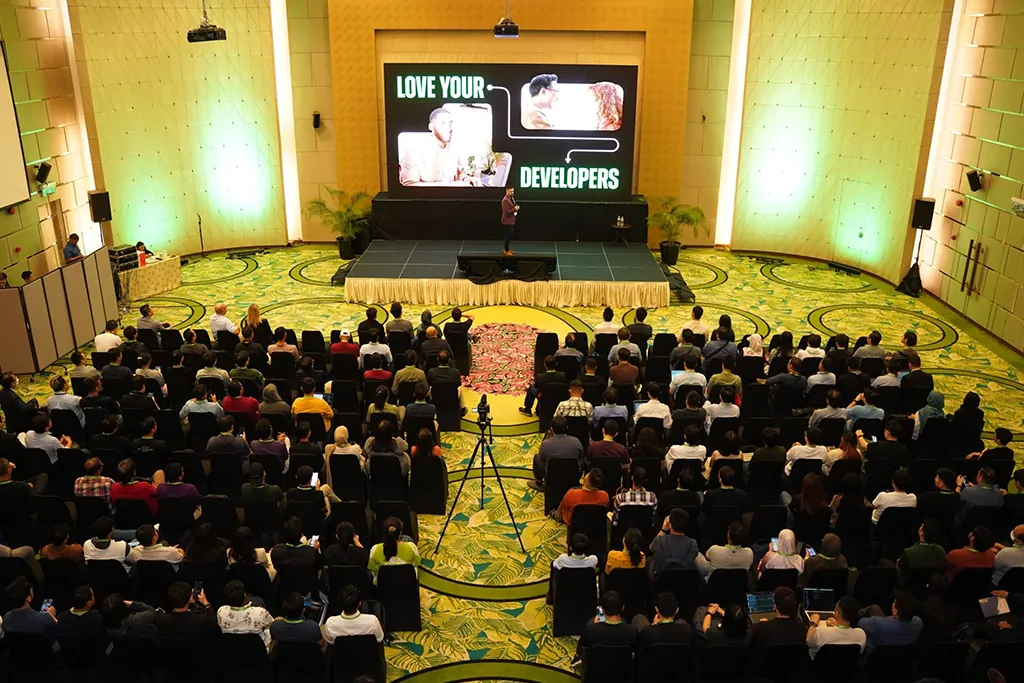
Your audience notices when their input is taken seriously. Communicating changes you’ve made based on feedback builds trust and strengthens relationships. It’s also a powerful way to demonstrate professionalism and care. Closing the feedback loop is essential.
- Include a “What We Improved” segment: Share this via post-event emails or your event website. Highlight key areas that were changed in response to feedback. This demonstrates attentiveness and responsiveness. Attendees are more likely to return next time.
- Use visuals to show progress: Before-and-after photos, updated floor plans, or survey score comparisons help people see the difference. Visual content is more engaging and memorable. It reinforces your commitment to growth. Consider infographics for social sharing.
- Quote feedback in your updates: Use anonymised quotes to show real attendee sentiments. It adds authenticity to your communications. People appreciate seeing their voices represented. It makes them feel part of the journey.
- Promote transparency: Be open about what you’re still working on. Not everything can be fixed immediately, and that’s okay. Transparency earns respect. It sets realistic expectations and builds trust.
- Turn it into a brand message: Use your responsiveness to feedback as a brand strength. It can differentiate you from competitors. Make it part of your value proposition. “We listen, we improve” speaks volumes.
Feedback is one of the most powerful tools an event organiser has at their disposal. By categorising responses, involving your team, learning from past mistakes, aligning improvements with long-term goals, and showcasing your efforts, you create a cycle of continuous enhancement. This not only improves attendee satisfaction but reinforces your credibility as a thoughtful and forward-thinking organiser.
Looking to turn feedback into real progress for your next corporate event? Eventive helps you plan, track, and deliver event experiences backed by insight. From post-event reporting to implementation tools, let us support your journey towards better events every time.
Partner with Eventive today and make every event better than the last.

Let’s Collaborate.
Get in touch with us for your next event!
We hope you enjoyed this article “Here’s Why Not Hiring an Event Company Could Be a Costly Mistake”. Head on to Our Works to see the events we have managed!
If you are looking to manage an event, then look no further than us.