

Budgeting Tips for Maximum Impact Without Overspending

Jump To Section
In event management, a thoughtful budget isn’t just about spending less it’s about spending smart. Whether you’re organizing a corporate conference, product launch, or social gathering, the goal is to deliver an unforgettable experience without draining your resources. The secret lies in smart budgeting strategies that maximize impact while keeping costs in check. By prioritizing your spending, leveraging useful tools, negotiating wisely, and avoiding common pitfalls, you can make every dollar work harder for your event’s success.
Here’s a comprehensive guide to help you budget effectively and ensure your next event shines all while staying financially savvy.
Identifying Must-Haves vs. Nice-to-Haves
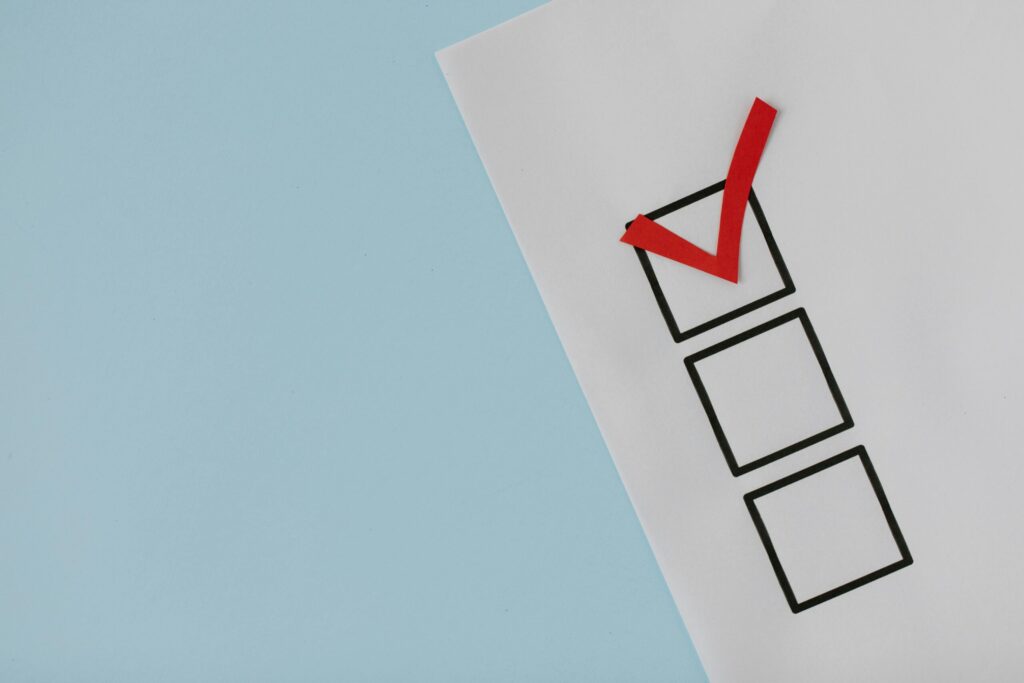
- Define your event goals clearly
Start by asking: What is the event meant to achieve? Whether it’s boosting brand visibility, fostering networking, launching a product, or internal team alignment, your budget should directly support these outcomes. This clarity ensures funds are allocated to elements that drive success. - List every desired component
Write down every element you’d ideally want for the event from the venue and audiovisual setup to entertainment, catering, and swag. Capturing the full wishlist upfront helps avoid surprises later. - Label each item as essential or optional
Be honest in distinguishing what’s truly necessary to make the event work from what simply enhances it. This tiered approach allows you to scale up or down without compromising core quality. - Include stakeholders in the prioritization
Getting input from decision-makers early helps prevent late-stage requests that can disrupt your budget and timeline. Stakeholder buy-in on priorities is key to smooth financial planning. - Be ready to adjust
Whether your budget increases or tightens, having a prioritized list lets you adapt quickly. You can add optional extras if there’s room or trim non-essential items to stay within limits.
Budgeting Tools and Templates to Keep You on Track

Hands using calculator for event management budgeting with tools to stay on track
Good budgeting tools are the backbone of effective event management. While they may not be glamorous, spreadsheets and software keep you organized, transparent, and in control of your finances.
- Use category-based templates
Divide expenses into clear sections like venue, catering, marketing, logistics, and decor. This breakdown helps you spot overspending in any category and reallocate funds promptly. - Track actual versus projected costs
As quotes come in and expenses are paid, update your budget tracker regularly. Staying grounded in real numbers prevents nasty surprises and helps you adjust spending in real time. - Set category limits early
Define spending caps for each category before you start buying. These limits prevent overspending in one area at the expense of others, maintaining balanced financial control. - Opt for cloud-based collaboration tools
Platforms like Google Sheets or Notion allow your team to view and update the budget simultaneously, increasing transparency and reducing miscommunication. - Always include a contingency fund
Set aside 10–15% of your budget for last-minute costs or emergencies. This buffer gives you breathing room to handle unforeseen expenses without stress.
Negotiating with Vendors for Better Deals

Negotiation is a powerful tool in event management almost everything is negotiable when you know how to ask. Savvy negotiation can save you significant costs while maintaining quality.
- Book early for better rates
Vendors often reward advance bookings with discounts or perks. Securing key services early increases your negotiating leverage and locks in favorable prices. - Ask for bundled services
Many vendors offer combined packages such as AV with staging or catering with tableware that are cheaper than booking separately. Bundling saves money and simplifies coordination. - Offer value in return
Consider what you can offer vendors beyond payment logo placements, social media shoutouts, or future referrals. These incentives can encourage discounts or added services. - Be honest about your budget
Transparency helps vendors propose options that fit your financial limits. A flexible approach to details may allow them to adjust offerings without compromising essentials. - Get multiple quotes before deciding
Comparing at least three vendors helps you understand market rates and strengthens your negotiation position. It also provides alternatives if negotiations stall.
Cost-effective Ways to Elevate Attendee Experience
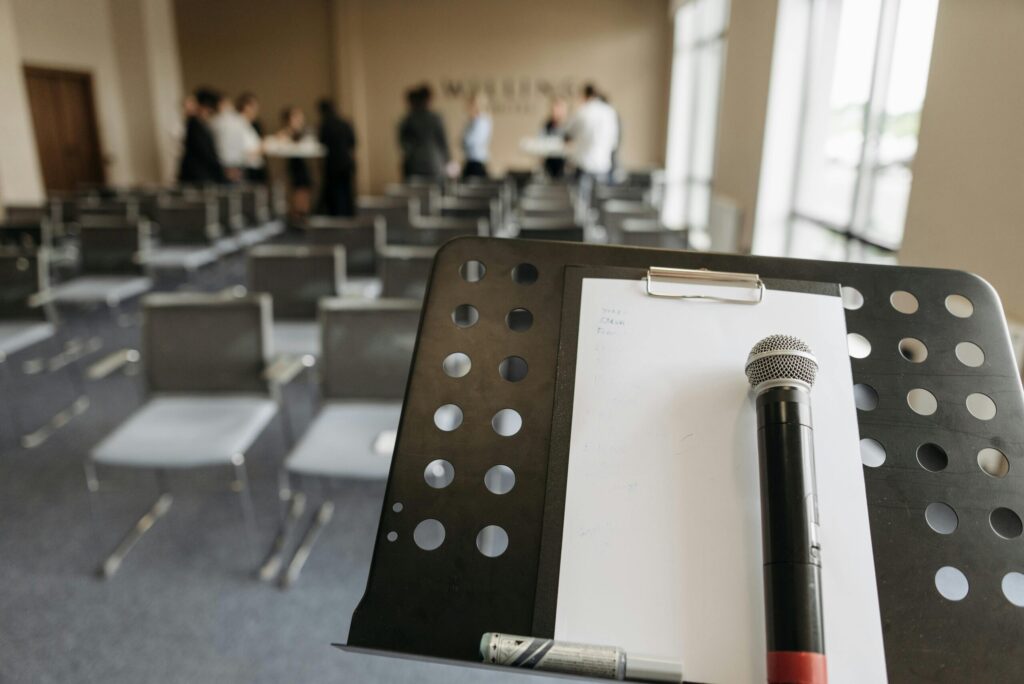
- Focus on seamless logistics
Efficient registration, clear signage, and smooth transitions significantly improve guest experience. These simple investments prevent frustration and boost professionalism. - Invest in one memorable feature
Choose a standout element like a creative photo booth, interactive installation, or surprise performance. A single wow-factor can create lasting memories without requiring a big budget. - Use lighting and layout creatively
Strategic uplighting, dramatic backdrops, and thoughtful room flow can transform spaces on a budget. These elements set the tone and elevate ambiance cost-effectively. - Personalize the experience
Details like name cards, tailored agendas, or branded welcome notes show guests you care. These small touches add value and foster connection without high expenses. - Leverage user-generated content
Encourage attendees to share event moments via hashtags or contests. This boosts engagement and provides free publicity, amplifying your event’s reach organically.
Avoiding Budget Pitfalls That Derail Planning

Even the best budgets can unravel if you fall into common traps. Awareness and prevention help you avoid costly setbacks.
- Don’t overlook hidden costs
Taxes, overtime fees, setup charges, and transportation are often forgotten but add up quickly. Build these into your initial estimates to avoid surprises. - Avoid scope creep
Keep careful track of changes throughout planning. Small additions can balloon your costs if not managed and approved properly. - Double-check vendor contracts
Watch out for auto-renewals, cancellation penalties, or hidden fees. Read contracts thoroughly to protect your budget from unexpected charges. - Limit last-minute decisions
Rush orders and emergency changes are usually expensive. Confirm final choices well before the event to minimize costly adjustments. - Track spending weekly
Regularly reviewing expenses allows you to course-correct early. Waiting until the event is near may leave you with little room to fix problems.
Smart event management is not just about cutting costs but spending intentionally to maximize impact. By clearly identifying priorities, using effective budgeting tools, negotiating wisely with vendors, enhancing attendee experience cost-effectively, and avoiding common financial pitfalls, you can deliver memorable events that stay within budget.
With a proactive approach and smart financial planning, your next event can be both spectacular and budget-friendly.
At Eventive, we specialize in smart event management solutions that maximize your budget’s impact. From vendor coordination to seamless execution, our expert team helps you deliver flawless events on time and within budget.
Contact Eventive today and discover how we can help turn your vision into a successful, cost-effective reality.
Share it out: