

Using Content Marketing to Promote Your Corporate Events

Jump To Section
Key Insights:
Pre-event content such as blogs, teaser videos, and speaker spotlights builds awareness and gives potential attendees a reason to care before registration opens.
Visual content, including images, infographics, and short videos, communicates the event experience in ways that plain text simply cannot.
Repurposing content across email, social media, and landing pages extends your reach without requiring you to create everything from scratch.
Interactive content like polls, quizzes, and contests generates genuine engagement and word-of-mouth ahead of the event.
A content-led approach to event marketing positions your brand as credible and worth showing up for, long before the event day arrives.
Most corporate event organisers put the bulk of their energy into logistics: the venue, the run sheet, the catering, the technical production. All of that matters. But how you tell the story of your event, before it happens, during, and after, often determines whether the right people show up at all.
Content marketing is one of the most underused tools in corporate event planning. Done well, it builds genuine anticipation, reaches audiences who might not yet be on your radar, and gives people a real reason to register rather than just a date and a venue. In this article, we’ll walk through four practical content approaches that corporate event organisers can use to promote their next corporate event more effectively.
Create Engaging Pre-Event Content

The period between announcing your event and opening event registrations is an opportunity most corporate event organisers leave on the table. A single announcement post is rarely enough to convert someone from vaguely aware to actively registered. What moves people is a steady drumbeat of content that makes the event feel relevant, credible, and worth their time.
Blog articles are a strong starting point. Writing about the themes your event will cover, the problems your speakers are solving, or the trends shaping your industry gives potential attendees useful content while simultaneously signalling what they can expect on the day. A well-written pre-event blog or social media post also improves your search visibility, bringing in readers who may not already be following your brand.
Speaker spotlights work particularly well for seminars, conferences, and networking events. A short profile on a keynote speaker, their background, and what they’ll be covering gives your audience something to look forward to and adds credibility to the event. It also gives speakers a reason to share the content with their own networks, extending your reach without additional spend.
Teaser videos sit in a similar space. They don’t need to be highly produced. A short clip of your event space being set up, a 30-second preview from a speaker, or even a behind-the-scenes look at planning can generate genuine curiosity. People connect with glimpses of what’s coming more readily than they connect with polished promotional copy.
The key across all of this is consistency. A few well-timed pieces of pre-event content, spaced across your lead-up period, will outperform a burst of activity in the final week every time.
Use Visual Storytelling
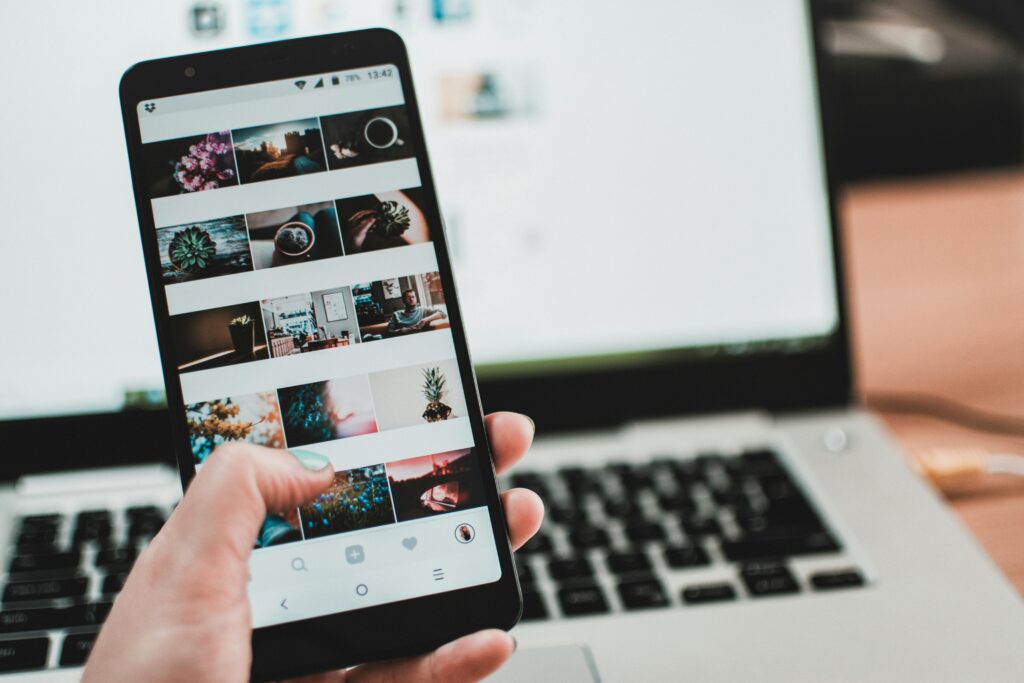
Words explain. Visuals make people feel something. For corporate event organisers, when you’re asking someone to invest their time and often their company’s budget, the emotional pull matters a lot.
Photography from past events is one of your strongest assets. Images of a well-attended gala dinner, a packed seminar floor, or a lively networking session communicate social proof instantly. They tell a prospective attendee: other people like you came, and they were glad they did. If this is your first event, invest in quality photography at every event going forward, because those images become the foundation of your future event marketing.
Infographics are particularly effective for events with a strong educational component, such as conferences or product and sales launches. Distilling a key insight, a speaker’s main argument, or an industry statistic into a clean, shareable graphic makes complex information accessible and gives your audience something worth passing along.
Short-form video has become an expected part of the content mix. Event highlight reels, speaker preview clips, and even simple countdown videos for social media keep the event visible across channels without requiring a large production budget. For tradeshows and roadshows, a short video walkthrough of what visitors can expect at your stand or booth removes uncertainty and encourages sign-ups.
The broader point is that visual content lets you show the experience rather than describe it. When someone can see the atmosphere, the calibre of speakers, and the quality of event production in your event marketing, the decision to register becomes much easier to make.
Repurpose Content Across Channels
One of the most practical advantages of a content-led event marketing approach is that a single piece of content can do multiple jobs across different channels, with the right adjustments for each platform.
A blog post about your event’s theme can be broken down into a series of shorter social media posts. A speaker video can be trimmed into a 60-second clip for Instagram and a longer cut for your event landing page. A key statistic from your infographic can become a pull quote in your email campaign. This requires thinking about how to serve the same idea in a format that suits each channel.
This matters because different members of your audience live in different places. Some will find you through search and land on your blog. Others will encounter your event through a LinkedIn post or an email from a colleague. A few will click through from a paid ad. Repurposing content ensures that wherever someone encounters your brand in the lead-up to the event, there is something relevant and well-crafted waiting for them.
For event management companies in Singapore working across seminars, conferences, or tradeshows and roadshows, this approach also reduces the pressure of generating fresh content every week. A planned content calendar built around a core set of well-produced assets is far more sustainable than trying to create new material from nothing at every stage of the campaign.
Landing pages deserve particular attention here. Your event registration page should not just list the details; it should bring your content together in one place. Speaker profiles, key themes, a highlight video from a past event, and testimonials from previous attendees all belong on a page designed to convert visitors into registrants.
Encourage Audience Interaction

Content that invites a response tends to travel further than content people simply consume and scroll past. For corporate events, building interaction into your content strategy is one of the most effective ways to generate organic buzz without relying entirely on paid reach.
Polls are a good, low-effort entry point. Asking your audience on LinkedIn or Instagram which topic they most want covered at the event, or which industry challenge they’re currently facing, does two things at once. It surfaces useful information for your programme planning, and it creates a sense of participation that makes people feel invested before they’ve even registered.
Quizzes and interactive posts work well for events with a clear educational angle. A short quiz tied to your event’s theme, whether it’s about industry knowledge, leadership styles, or emerging trends, gives your audience something engaging to interact with while associating your brand with genuine expertise.
Contests and giveaways, when used thoughtfully, can accelerate event registration significantly. Offering a complimentary ticket, a VIP seat, or exclusive event merchandise to someone who shares your event post or tags a colleague introduces your event to networks you wouldn’t otherwise reach. For networking events and product launches in particular, this kind of social amplification can be a meaningful driver of early registrations.
User-generated content is worth encouraging too. If attendees from previous events are willing to share a short testimonial or a photo from a past gala dinner, that peer-to-peer endorsement carries more weight than almost anything your brand can say about itself.
The common thread across all of these approaches is that they shift your audience from passive recipients of information to active participants in the build-up to your event. That shift in engagement almost always reflects in attendance numbers.
Conclusion
Content marketing works for corporate events because it builds trust over time. A person who has read your blog, watched your speaker preview, engaged with your poll, and seen your event photos on social media arrives at the registration page already warm. They know what to expect, they’ve seen the credibility of the event, and they’ve had multiple reasons to care.
Whether you’re planning seminars and conferences or coordinating product and sales launches, the events that consistently draw strong attendance are almost always backed by strong content. Logistics gets people through the experience. Content gets them through the door.
Want an event that people actually look forward to attending? Here at Eventive, we combine expert event planning with smart event marketing to help your corporate events reach the right people and leave a lasting impression. From the first piece of content to the final attendee wrap-up, our team handles the details from end to end so you don’t have to. Get in touch with us today.
Frequently Asked Questions (FAQ)
1. Why does content marketing matter for corporate events?
Because most people need more than an announcement to commit to attending. Content and event marketing builds familiarity and trust in the lead-up to an event, giving potential attendees multiple reasons to register rather than just one promotional message asking them to sign up.
2. What type of content works best before an event?
A mix tends to work best:
- blog posts for search visibility and depth,
- short videos for social reach and engagement,
- speaker or agenda previews to build anticipation.
The right balance depends on your audience, but starting at least six weeks out gives each content type enough time to gain traction.
3. How do you repurpose event content without it feeling repetitive?
The key is adapting the format, not just copying and pasting. A blog post becomes a series of social captions. A speaker video becomes a short teaser clip. A statistic from a presentation becomes a graphic. The core message stays consistent, but the way it’s delivered changes to suit each platform and audience.
4. What interactive content works well for corporate event marketing?
- Polls and question posts on LinkedIn tend to perform well for professional audiences.
2. Quizzes tied to your event theme can drive engagement and position your brand as an authority.
3. Contests offering complimentary tickets or event merchandise work particularly well for networking events and product launches where early buzz matters.
5. How does content marketing connect to event management?
The two work best when planned together. A good event management company in Singapore will factor content and event marketing into the overall event strategy from the start, ensuring that what gets created and shared before the event accurately reflects the experience attendees will have on the day.
Share it out: