

What to Look for in an Event Management Company in Singapore

Jump To Section
Key Insights:
Experience across multiple event formats is a stronger indicator of capability than portfolio size alone.
A full-service offering reduces coordination risk and ensures consistency across every stage of your event.
Budget transparency and a focus on measurable ROI distinguish professional event partners from order-takers.
Post-event reporting and follow-through reflect a company’s long-term commitment to your success, not just the day itself.
Choosing the right event management company in Singapore is one of the most consequential decisions in the planning process. Get it right, and you have a partner who takes your brief, applies genuine expertise, and delivers an experience that reflects well on your organisation. Get it wrong, and the gaps show in the room, on the day, and in the outcomes.
Singapore’s corporate events market is competitive and well-developed. There is no shortage of companies offering event services, which makes the selection process more complex, not less. The challenge is not finding options; it is knowing which criteria actually matter when evaluating them.
This guide breaks down the four areas that most reliably distinguish capable event management companies from the rest.
Experience Across Event Types
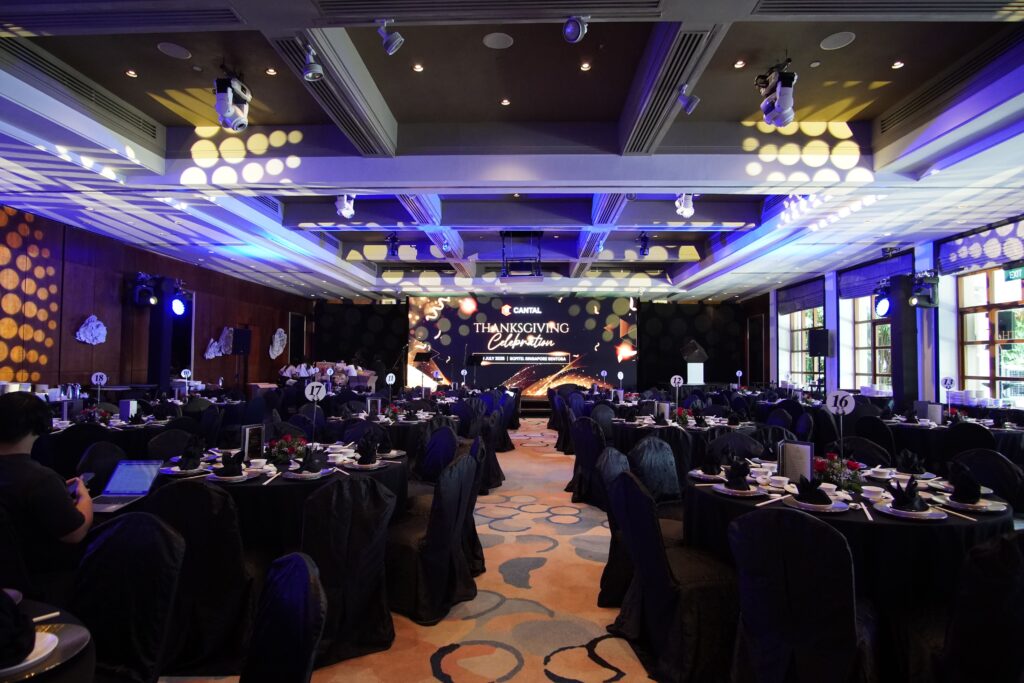
Not all corporate events are built the same. A seminar requires a different operational approach to a gala dinner. A product launch has different success metrics from a networking event. A tradeshow demands logistics capabilities that a conference does not. When you engage an event management company, you need to know they understand the specific format you are working with.
Look for a company with a demonstrated portfolio across multiple event formats. This breadth of experience matters because it signals adaptability. A team that has managed seminars and conferences, produced gala dinners, coordinated product and sales launches, facilitated networking events, and executed tradeshows and roadshows brings a wider frame of reference to your brief. They anticipate format-specific challenges before they arise, rather than encountering them for the first time on your event day.
Ask to see relevant case studies. If your event is a leadership conference, ask what conferences they have delivered and for whom. If it is a high-profile product launch, ask how they have handled similar briefs: the audience profile, the scale, the production requirements. A credible event company will have specific, concrete answers, not generic assurances.
Experience with your event type also has practical downstream effects. Vendor relationships, venue knowledge, programme sequencing, and on-ground protocols are all sharpened through repetition. A team that has delivered dozens of events like yours will move with a level of precision and confidence that is difficult to replicate without that history.
Range and Depth of Services
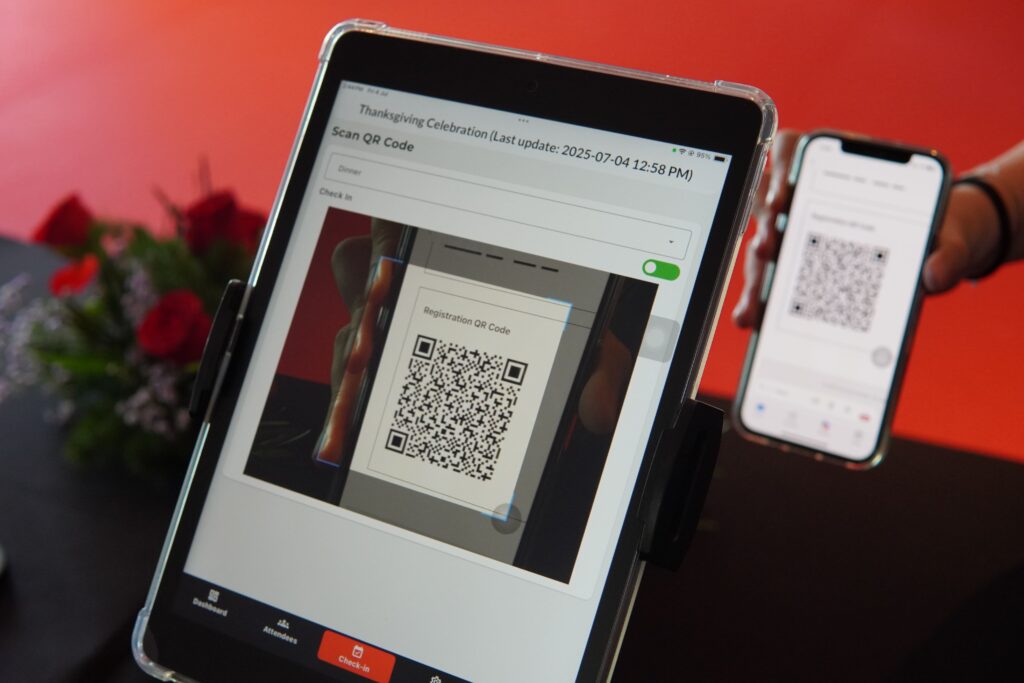
A common source of friction in event management is the handoff, the points where one vendor’s responsibility ends, and another’s begins. The more fragmented your supplier chain, the more coordination falls on your team, and the more opportunities there are for things to fall through the cracks.
When evaluating an event management company in Singapore, look at the breadth of services they offer in-house. A company that covers the full event lifecycle under one roof simplifies your experience significantly.
At a minimum, a well-rounded event management partner should offer:
- Event planning: venue sourcing, supplier coordination, timeline management, and logistics
- Event management: on-site execution, troubleshooting, and end-to-end operational oversight on the day
- Event marketing: pre-event promotion through email, social media, and digital advertising to drive registrations and build awareness
- Event production: professional AV, sound, lighting, staging, and video to ensure presentations land with impact
- Event registration: attendee management, guest list coordination, and check-in systems that reduce queuing and improve first impressions
- Event merchandise: branded corporate gifts and customised materials that reinforce your identity beyond the event itself
When all these services are delivered by a single, coordinated team, briefing is simpler, communication is tighter, and accountability is clearer. You are not managing six separate vendor relationships; you are working with one partner who owns the outcome.
Depth matters as much as range. Ask how each service is delivered: is it managed in-house, or subcontracted out? Who are the people responsible for production, marketing, and registration? Understanding the structure behind the service offering helps you assess whether the company can genuinely deliver on what they present.
Budget Transparency, Value, and ROI
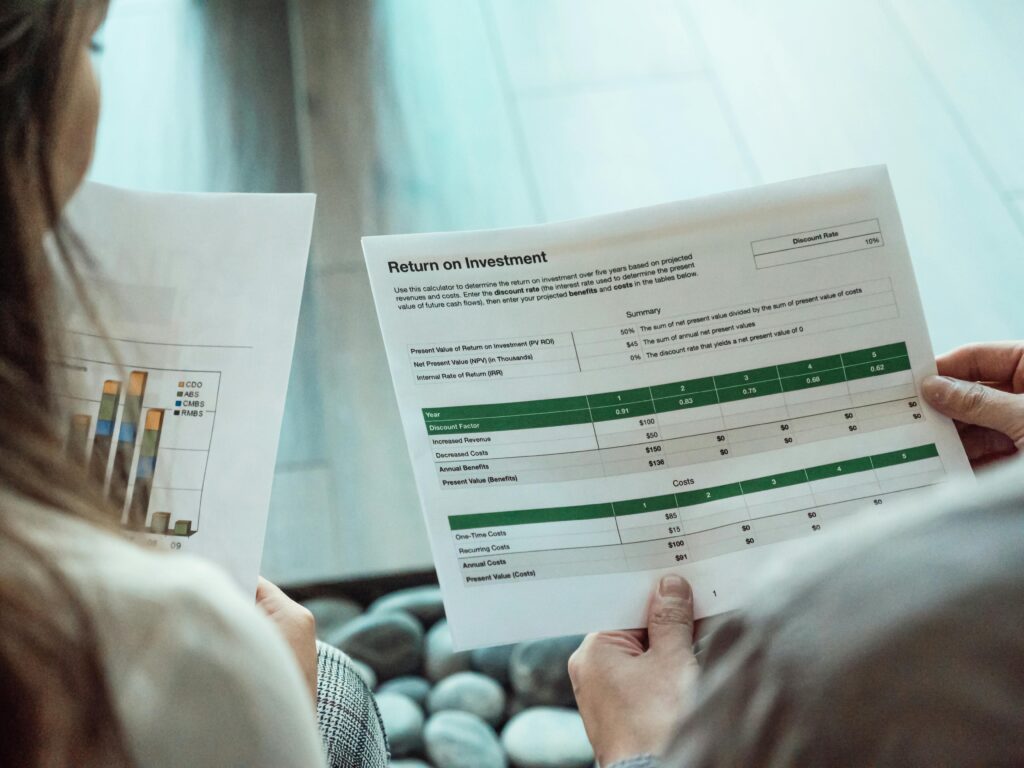
Budget conversations are often where the quality of an event management company becomes most apparent. A professional partner approaches budget as a strategic tool, helping you allocate spend in a way that maximises impact against your event objectives. A less capable one treats it as a line to be filled, with limited visibility into where your money is actually going.
Transparency should be non-negotiable from the first proposal. Detailed line-item quotations, clear explanations of what is and is not included, and honest conversations about trade-offs are all markers of a trustworthy partner. Vague bundled pricing or reluctance to break down costs are warning signs worth taking seriously.
Beyond transparency, look for an event company that links spend to outcomes. What does the budget achieve in terms of attendee experience, brand perception, lead generation, or internal engagement?
Companies that frame their proposals around measurable value rather than just deliverables are far more likely to be thinking about your objectives, not just their margin.
For a closer look at how to approach event budgeting strategically, our guide on budgeting for maximum impact without overspending covers the key principles in detail.
It is also worth asking how the company manages budget variations. Scope changes, last-minute additions, and unexpected costs are a reality in event production. Understanding how a company handles these situations and whether they communicate proactively, offer alternatives, or adapt to minor variations tells you a great deal about how the relationship will function under pressure.
Value is not always the lowest quote. A company that charges a higher fee but brings vendor relationships, production expertise, and operational experience that reduces risk and improves outcomes is almost always better value than a cheaper alternative that leaves you managing the gaps.
Post-Event Reporting and Follow-Through

The quality of an event management company is not fully revealed until after the event. How a company behaves once the room empties and the vendors have packed up is as informative as anything that happened on the day.
Post-event reporting is a practical measure of professionalism. A capable event organise can usually deliver structured documentation of event performance, such as:
- attendance data,
- feedback summaries,
- operational notes,
- and an assessment of outcomes against the original objectives.
This is not just administrative tidiness. It is the foundation for continuous improvement, stakeholder reporting, and future event planning. For a detailed look at what good reporting practice looks like, our guide on post-event reporting best practices for corporate events is a useful reference.
Look for companies that make post-event follow-through a standard part of their service, not an optional extra.
Some questions to ask include:
- What does your post-event report include?
- How soon after the event is it delivered?
- Do you conduct internal debriefs and share what you learned?
- How do you use event data to inform recommendations for future events?
A company that actively uses attendee feedback to improve future corporate events is one that treats each event as a learning opportunity, not just a completed job.
The answers reveal whether a company is invested in your long-term success or focused solely on the event day. A partner who takes the time to document what worked, acknowledge what did not, and bring those insights to the next brief is one building a relationship, not just completing a transaction.
Follow-through also extends to smaller details: timely and well-considered post-event follow-up and thank-yous, returning borrowed materials, settling vendor payments on time, and confirming post-event deliverables like photography or recorded content. These are not dramatic indicators, but they reflect the operational discipline and professional standards that define reliable partners.
Conclusion
Finding the right event management company in Singapore takes more than a Google search and a few quotes. It requires a considered assessment of experience, capability, commercial transparency, and the kind of partnership behaviour that sustains trust beyond a single event.
The best event management companies are those that treat your brief as seriously as you do, those who bring relevant experience, integrated services, honest conversations about budget, and the discipline to follow through after the event is done. These are not exceptional qualities. They are the baseline that any professional partner should be able to demonstrate.
Here at Eventive, we bring over a decade of experience across Singapore’s corporate events landscape, from seminars and conferences to gala dinners, product launches, roadshows, and networking events. Our end-to-end services cover everything from event planning, event management and event production to event marketing, event registration, and branded event merchandising, all managed by a single coordinated team.
If you are looking for an event management company in Singapore that takes full ownership from brief to delivery, contact Eventive today, and let’s work together for your next event.
Frequently Asked Questions (FAQ)
- What does an event management company in Singapore typically do?
An event management company handles the end-to-end planning, coordination, and execution of corporate events. This typically includes venue sourcing, supplier management, event production, attendee registration, on-site management, and post-event reporting. The scope varies by company — some offer a full suite of services in-house, while others outsource elements to third-party vendors.
- How do I evaluate whether an event company has the right experience?
Ask to see case studies relevant to your event format. A company with a strong track record across seminars, conferences, gala dinners, product launches, and roadshows will have format-specific experience to draw from. Look for concrete examples, not just logo lists or general claims about experience.
- What services should a full-service event management company offer?
A comprehensive event management company should cover event planning, on-site management, event marketing, AV production, attendee registration, and branded merchandise. When these services sit under one roof, coordination is tighter, communication is simpler, and accountability is clearer.
- How should an event management company handle budgeting?
Look for detailed, line-item proposals that clearly explain what is and is not included. A professional event partner will proactively flag trade-offs, communicate scope changes early, and help you allocate budget in a way that maximises impact against your event objectives. Avoid companies that offer vague bundled pricing with limited transparency.
- What should a post-event report include?
A thorough post-event report should cover attendance data, attendee feedback summaries, a review of outcomes against original objectives, operational notes, and recommendations for future events. It should be delivered promptly after the event and serve as a reference for ongoing improvement and stakeholder reporting.
Share it out: