

How to Plan a Product Launch in Singapore
Jump To Section
- Customisable RSVP Forms: Capturing the Right Attendee Data from the Start
- Automated QR Code Generation: Reducing Friction Between Registration and Arrival
- On-Site QR Scanning, Check-In and Name Tag Printing: Eliminating Queues on Event Day
- Real-Time Dashboard and Attendee Tracking: Full Visibility Before, During, and After
Key Insights:
- A product launch succeeds or fails on the clarity of its objective and the precision of its audience, not on spectacle alone.
- Format, venue and production should serve the product story, with experiential moments that let guests engage directly with what you are launching.
- Attendance and impact depend on disciplined pre-launch marketing, and a measurement plan agreed before the doors open.
A product launch is one of the most visible things a company does. It carries commercial weight, brand reputation and the expectations of internal stakeholders, all in a single evening or afternoon. Done well, it generates qualified leads, earns media attention and gives your sales team a story to carry for months. Done poorly, it quietly underwhelms, and the cost is far greater than the budget on the invoice.
Launching in Singapore brings its own advantages and expectations. The market is sophisticated, the venue options are excellent, and audiences are used to a high standard. That raises the bar for how a launch is conceived and delivered.
This guide walks through the corporate event planning process for a product launch in Singapore, from setting a clear objective to measuring what the event actually achieved.
Define Your Launch Objectives and Audience
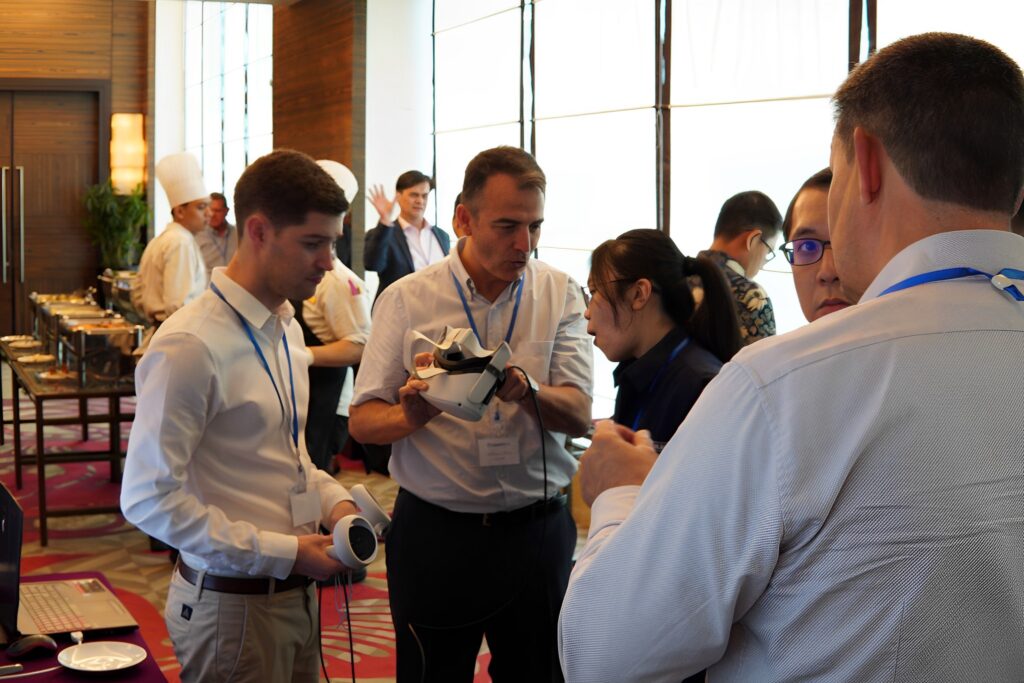
Every effective launch begins with a single, honest question: what is this event for? A product launch can serve very different goals, and the format that suits one will undermine another. You might be generating sales leads, building media and analyst coverage, educating channel partners, or repositioning an existing product for a new segment. Naming the primary objective early keeps every later decision anchored to it.
Once the objective is clear, define the audience with the same precision. A launch aimed at enterprise buyers looks like nothing like one aimed at the trade press or at existing customers. Consider who must be in the room for the event to count as a success and be willing to keep the guest list smaller and more relevant rather than larger and diluted.
From there, agree on the brief that the rest of the project will run on. A strong launch brief should capture:
- The primary objective and the one metric that defines success
- The target audience profile and the realistic headcount
- The core product message and the proof points that support it
- Budget parameters and the approval process
- Key dates, including any embargo or announcement timing
- Brand guidelines and the tone the event should convey
The more specific this brief is, the more efficiently the work moves from strategy to delivery, whether it is handled in house or with an experienced event management company in Singapore. A vague brief is the most common reason launches drift over budget and off message.
Build the Experience: Format, Venue and Production
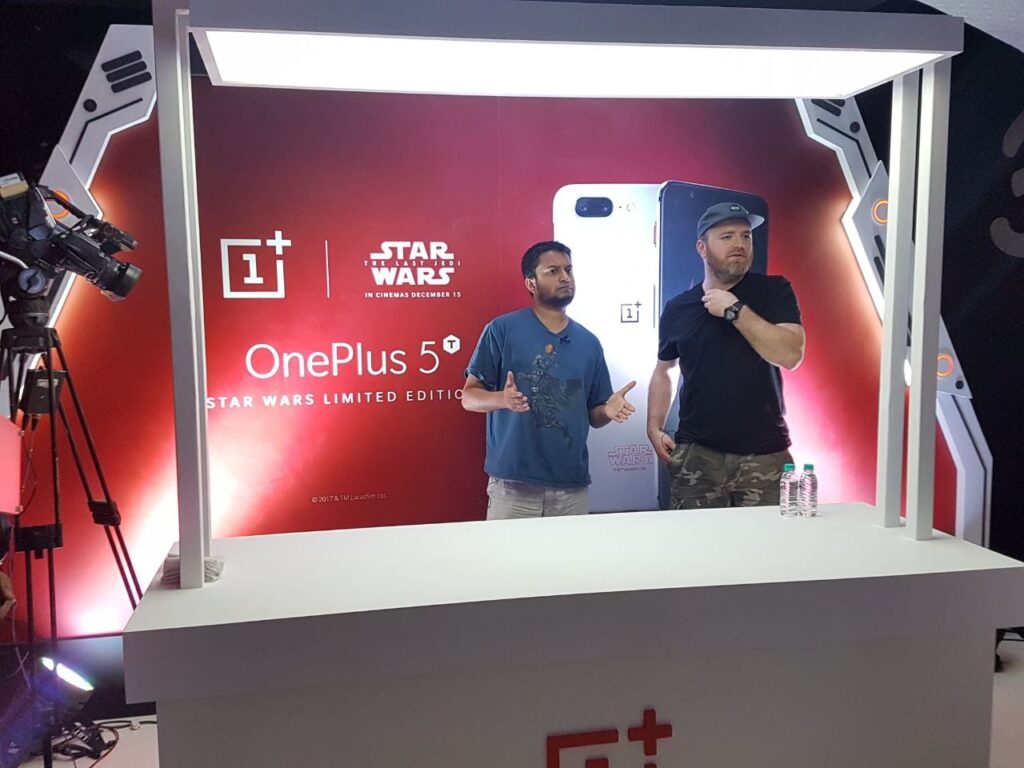
With the objective set, the experience can take shape. The format should serve the product story rather than follow convention. A breakthrough technology product may call for an immersive demonstration, while a premium consumer launch may lean on atmosphere, hospitality and a sense of occasion. Resist the urge to copy a format you saw elsewhere, and instead ask what will let your audience genuinely understand and remember the product.
Venue choice follows the format, not the other way around. Evaluate spaces against what the launch needs to do. A hands-on demonstration needs room to move and good sightlines. A keynote reveal needs strong staging and acoustics. Consider capacity, natural light, accessibility by MRT, loading access for production, and the experience the venue team brings to events of your scale.
Production is where a launch earns its impact. Professional staging, lighting, sound and video turn a reveal from a slide on a screen into a moment people feel. This is the part of an event that is hardest to recover if it goes wrong on the day, so it deserves early attention and a partner who does it routinely. Strong event production also protects your brand, since a glitchy reveal undercuts the very credibility you are trying to build.
The most memorable launches give guests something to do, not just something to watch. Experiential moments, such as a guided trial, a personalised demo, or an interactive installation tied to the product story, let people engage with what you are launching. These moments also generate the photography and social content that extend the event well beyond the room.
Drive Attendance with Pre-Launch Marketing

A strong launch with poor attendance is a missed opportunity. The work of filling the room begins weeks before the event, and it deserves the same rigour as the production. Treat the campaign as a sequence, not a single invitation, and give your audience reasons to commit early and to show up on the day.
Start by building anticipation through the channels your audience actually uses. For most corporate launches in Singapore that means a combination of targeted email, LinkedIn, and selective paid promotion, supported by a clear registration page that makes the value of attending obvious. Segment your list so that existing customers, prospects and media each receive messaging suited to them.
Smart event marketing also manages the gap between registration and attendance, which is where many launches quietly lose people. Confirmation sequences, timely reminders, calendar links and a short note on what guests will experience all lift the show-up rate. Where it fits the product, a teaser of what will be revealed gives fence-sitters a reason to attend in person rather than wait for the recap.
Plan your content capture before the event, not after. Briefing a photographer and videographer against the moments that matter means you leave with assets for the press release, the follow-up campaign and the sales team. A launch should keep working for you long after the night itself.
Execute on the Day and Measure What Matters
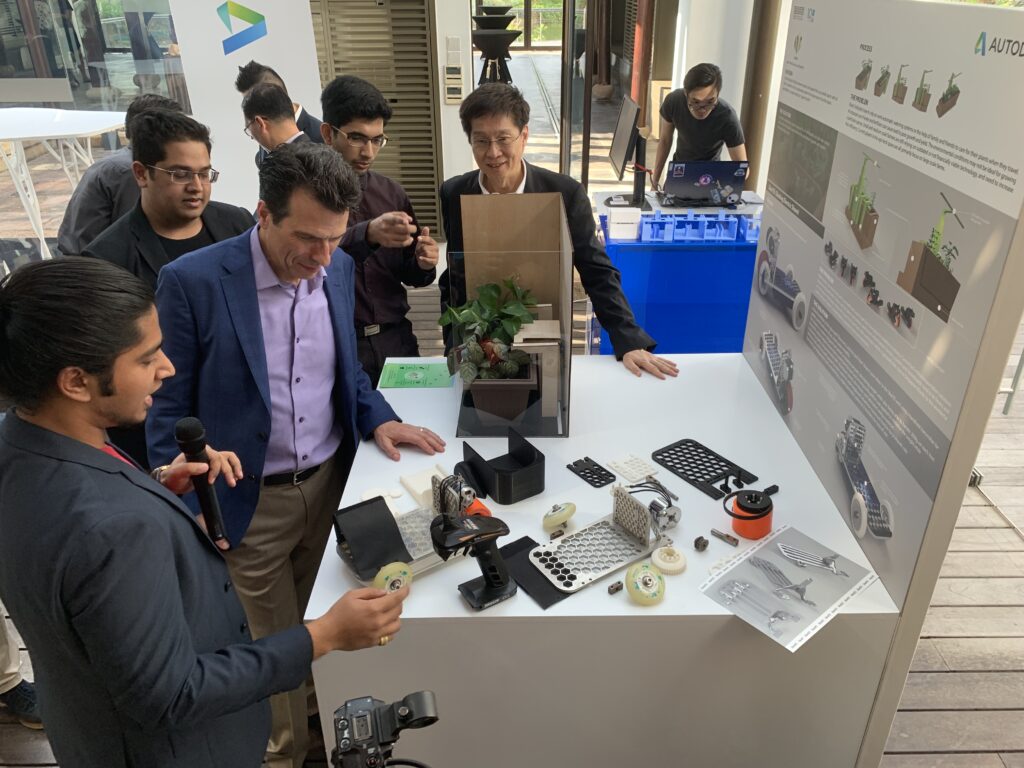
The planning phase ends when guests begin to arrive, and the discipline of the day takes over. Arrive well ahead of doors and run a full walkthrough against the run sheet, checking registration, signage, catering and every technical element. Hold a live rehearsal of the reveal with your AV team and presenters, since this is the last chance to resolve issues before the room fills.
Brief every team member on their role, the running order and the contingency plan. A composed, well-briefed team makes better decisions under pressure and keeps small problems invisible to guests. For larger launches this coordination is usually led by a dedicated event organiser managing all stakeholders from a central point, so the client can focus on hosting rather than logistics.
Once the launch is underway, the focus shifts to monitoring and hosting. Keep an eye on timing, since a reveal that drifts late loses energy, and make sure registration and demo areas do not bottleneck. Quiet, quick problem solving in the background is what lets the front of house feel effortless.
Measurement is what turns a good night into a strategic asset. Agree the metrics before the event so you can report against them afterwards: registrations versus attendance, qualified leads captured, media and social reach, demo sign-ups, and post-event survey scores. A prompt debrief, while detail is fresh, captures what worked and what to change. These insights make the next launch sharper and give stakeholders the evidence they need to assess the return on the investment.
Conclusion
A product launch rewards clarity and discipline far more than budget. When the objective is sharp, the experience serves the product, the room is full and the results are measured, a launch becomes a genuine commercial asset rather than a one-off expense. Here at Eventive, we bring over a decade of experience across Singapore’s corporate events landscape, from product and sales launches to seminars, conferences, dinner and dances, tradeshows, roadshows and networking events. Our end-to-end services span corporate event planning, event production and event marketing, all delivered by a single coordinated team. If you are looking for an event management company in Singapore that takes full ownership from brief to delivery, contact Eventive today, and let’s work together on your next launch.
Frequently Asked Questions (FAQ)
- How far in advance should I start planning a product launch in Singapore?
For most corporate launches, a lead time of three to four months is advisable, and longer if you need a sought-after venue or want to coordinate with a wider campaign. Starting early gives you flexibility on venue, production and marketing, and reduces the premium you pay for last-minute decisions.
- How much does a product launch in Singapore cost?
Costs vary widely with scale, venue, production and guest numbers. The more useful approach is to set your objective and audience first, then build a budget that delivers against them. A transparent, line-item quotation from your event partner lets you see where spend creates impact and where it does not.
- What makes a product launch successful?
A clear objective, a relevant audience, a format that lets people engage with the product, and a measurement plan agreed before the event. Spectacle alone rarely justifies the cost. The launches that pay back are the ones tied to a commercial goal and followed through with marketing and sales.
- Should I use an event management company or run the launch in-house?
It depends on internal capacity and the stakes involved. An experienced event management company in Singapore brings vendor relationships, production expertise and on-ground coordination that reduce risk on a high-visibility event. For launches where reputation and media are on the line, that experience is usually worth it.
- How do I measure the return on a product launch?
Define your metrics before the event, then report against them. Common measures include attendance against registration, qualified leads captured, media and social reach, demo or trial sign-ups, and post-event survey scores. Pair the data with a prompt debrief to capture lessons for the next launch.
Share it out: