

Seamless Hybrid Event Design: Engaging Both Rooms Equally
Jump To Section
- Customisable RSVP Forms: Capturing the Right Attendee Data from the Start
- Automated QR Code Generation: Reducing Friction Between Registration and Arrival
- On-Site QR Scanning, Check-In and Name Tag Printing: Eliminating Queues on Event Day
- Real-Time Dashboard and Attendee Tracking: Full Visibility Before, During, and After
Key Insights:
- Hybrid is now the default for many organisers, with around 80% hosting hybrid events and 83% reporting higher attendance when they add a virtual component.
- A hybrid event succeeds only when the online audience is treated as a first-class room, not an afterthought watching a livestream.
- Strong production, the right platform and shared engagement tools are what make both audiences feel equally present.
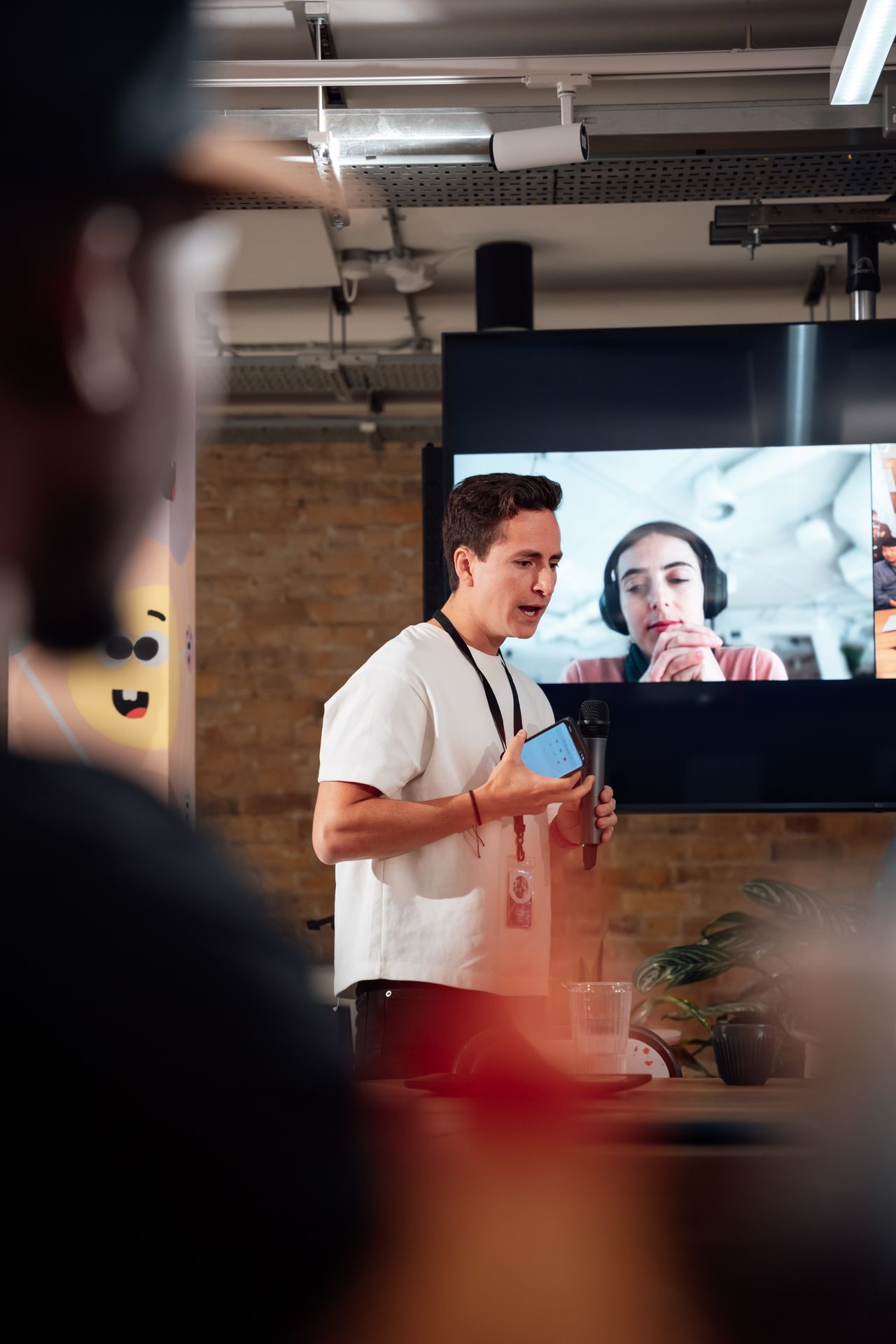
Hybrid events promised the best of both worlds and, for a while, often delivered the worst: a polished room and a forgotten livestream. The format has matured, and the organisers getting it right now design for two audiences from the start rather than bolting a camera onto an in-person event.
The case for hybrid is strong. Around 80% of planners now host hybrid events, 83% report higher attendance when they add a virtual component, and a virtual element increases total reach by about 2.5 times. Notably, around 41% of virtual attendees say they would not have travelled to attend in person.
This guide looks at how to design a hybrid corporate event in Singapore where both rooms feel equally present, from the core design principle to production, platforms and measurement.
Why Hybrid Is Now the Default

Hybrid has shifted from a pandemic workaround to a permanent model because it solves real problems. It removes the geographical and cost barriers that keep people away, which is why reach climbs so sharply once a virtual component is added. For regional organisations, it lets colleagues and clients across markets join without the time and expense of travel.
It also widens the audience in a way in-person events cannot. When around 41% of virtual attendees would not have travelled anyway, the online room is not cannibalising your live audience, it is adding people you would otherwise never have reached.
The result is that hybrid is now a default consideration for many corporate events, from seminars and conferences to internal town halls. The question is rarely whether to offer a virtual option, but how to do it well enough that it feels deliberate.
Hybrid also supports the sustainability goals that more organisations now hold. By reducing the need for travel, a virtual component cuts the carbon footprint of an event while still reaching the people who matter. For companies measuring event impact against ESG targets, that is an increasingly important advantage.
Designing for Two Audiences at Once

The central principle of good hybrid design is simple to say and hard to do: treat the virtual audience as a first-class room. That means designing the content, pacing and interaction for both audiences at the same time, rather than optimising for the room and hoping the stream keeps up.
Practically, this shapes everything from staging to schedule. Presenters need to address the camera as well as the room, sessions need to be paced for screen attention spans, and breaks need to give online attendees something to do rather than a frozen holding slide. Strong event production is what holds this together, since lighting, sound and camera work determine whether the virtual room feels included or sidelined.
Budget honestly for this. While around 61% of organisers find hybrid more cost-effective overall, about 67% note that hybrid can cost 20 to 30% more than a purely in-person event. The extra spend is what buys a virtual experience worth attending.
Rehearsal becomes doubly important in a hybrid setting. A full technical run, with presenters practising to camera and the team testing the stream end to end, is the single best protection against the glitches that lose an online audience. The live room forgives a stumble far more readily than a frozen screen does.
Keeping the Virtual Room Engaged
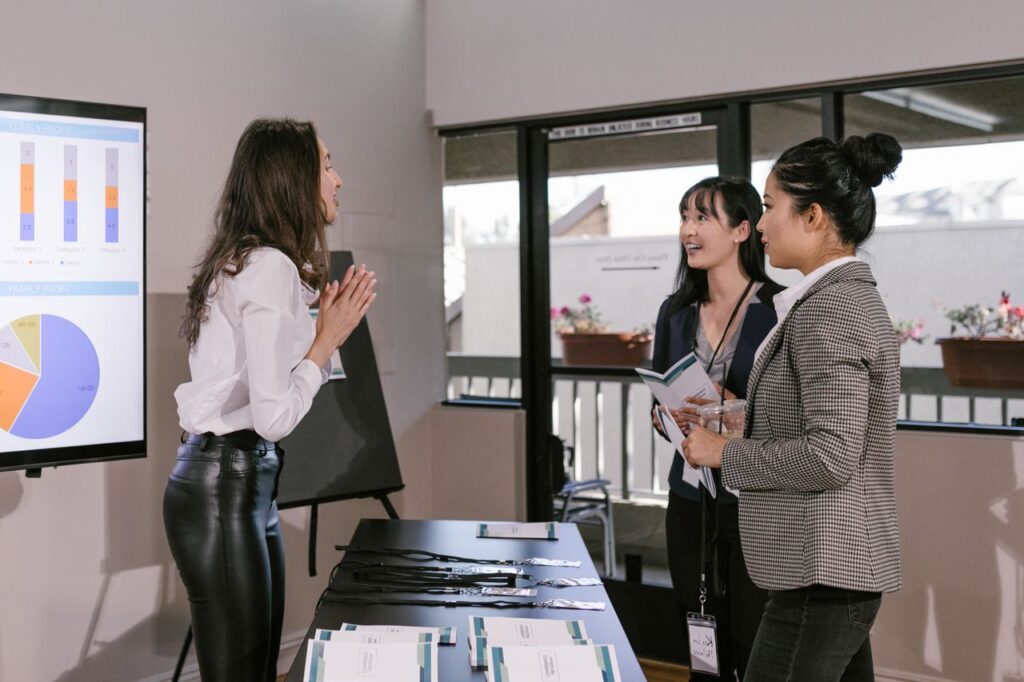
Engagement is where hybrid events are won or lost. The online audience is one click away from leaving, so passive viewing is the enemy. Shared tools that both rooms use together, such as live polling, Q&A and interactive forums, collapse the distance and make everyone feel part of one event rather than two parallel ones.
Small design choices make a large difference. Naming and answering questions from virtual attendees on stage, giving them dedicated networking spaces, and building in moments that only the online room can join all signal that they matter. Weaving these touchpoints into your event marketing before the day also sets the expectation that the virtual experience is a real one.
Done well, this lifts the numbers that matter. Hybrid formats can increase attendance by up to 50% and, with the right engagement design, boost overall engagement substantially compared with a one-directional broadcast.
A dedicated online host or moderator changes the experience entirely. Someone whose only job is to welcome virtual attendees, field their questions and keep the conversation alive ensures the online room never feels like an overflow space. It is a small addition to the team that pays back in retention and satisfaction.
Production, Platforms and Measurement
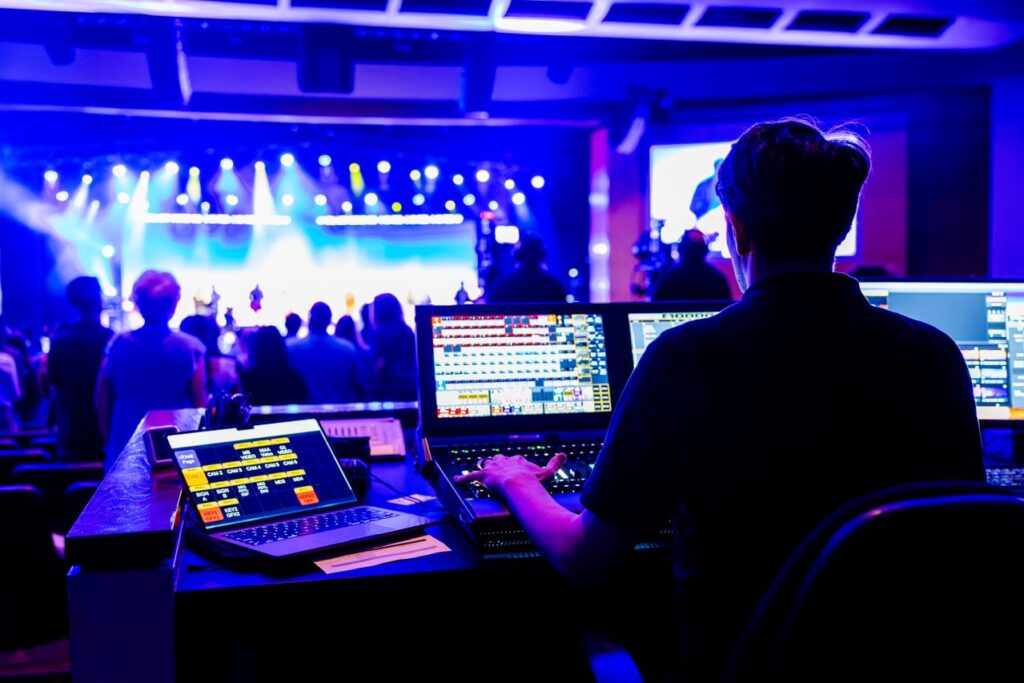
The platform is the venue for your virtual room, so choose it with the same care. Look for reliable streaming, genuine interaction features, and analytics that let you see how the online audience behaved. A clunky platform undoes good content, while a strong one makes the virtual experience feel effortless.
Measurement is one of hybrid’s quiet advantages. You can capture detailed data on both audiences: attendance against registration, session-by-session engagement, questions asked, and content watched on demand afterwards. Agree these metrics before the event so you can report against them and improve the next one. An experienced event organiser in Singapore will set this measurement up from the outset rather than scrambling for numbers after the fact.
Bring it together with a single coordinated team across production, platform and on-ground delivery. When one team owns both rooms, the handoffs disappear and the event feels seamless to everyone, wherever they are watching from.
The value also continues after the event. On-demand recordings extend the reach further, letting people who missed a session catch up and giving you assets to repurpose. A hybrid event, captured well, keeps delivering long after the live day has ended.
Conclusion
Hybrid events reward intent. When you design for both audiences from the start, invest in production, and give the virtual room real ways to take part, you reach more people and engage them better than either format could alone. Here at Eventive, we plan and deliver hybrid and in-person events of every kind across Singapore and the region, from seminars and conferences to product launches, tradeshows, roadshows, dinner and dances and networking events, all run by one coordinated team. If you want an event management company in Singapore that can make both rooms feel equally present, contact Eventive today, and let’s design your next hybrid event together.
Frequently Asked Questions (FAQ)
- What makes a hybrid event different from a livestreamed one?
A livestream points a camera at an in-person event. A true hybrid event is designed for both audiences at once, with content, pacing and interaction built for the online room as well as the live one, so virtual attendees take part rather than just watch. - Do hybrid events really increase attendance?
Yes. Around 83% of organisers report higher attendance when they add a virtual component, reach increases by about 2.5 times, and hybrid formats can lift attendance by up to 50%, partly because many virtual attendees would not have travelled. - Are hybrid events more expensive?
They can be. About 67% of organisers say hybrid costs 20 to 30% more than in-person only, though around 61% find it more cost-effective overall once you account for the wider reach and lower travel costs. - How do I keep virtual attendees engaged?
Use shared interaction tools such as live polling and Q&A, answer online questions on stage, give virtual attendees dedicated networking, and pace sessions for screen attention. Treat the online audience as a first-class room throughout. - How do I measure a hybrid event’s success?Agree metrics before the event, then track attendance against registration, engagement per session, questions asked, and on-demand views afterwards for both audiences. Hybrid platforms make this data easier to capture than in-person events alone.
Share it out: