

Smaller and Smarter: Why Micro-Events Are Replacing Mega-Conferences

Jump To Section
- Customisable RSVP Forms: Capturing the Right Attendee Data from the Start
- Automated QR Code Generation: Reducing Friction Between Registration and Arrival
- On-Site QR Scanning, Check-In and Name Tag Printing: Eliminating Queues on Event Day
- Real-Time Dashboard and Attendee Tracking: Full Visibility Before, During, and After
Key Insights:
- Micro-events, typically 10 to 100 carefully chosen guests, are a defining trend for 2026, with around 63% of planners reporting rising demand for intimate gatherings.
- They win on engagement and ROI because a curated guest list and conversation-led format deliver the peer connection and product discovery attendees value most.
- Micro-events do not end large conferences; they evolve the mix, and the smartest brands run several focused events instead of one giant one.
For years the instinct was to go bigger: more delegates, a larger hall, a headline speaker. In 2026 the momentum has reversed. Micro-events, intimate and tightly curated, are the format more and more brands are choosing, and the reason is simple. They deliver the things attendees actually value.
The shift is well documented. Industry research points to rising demand for intimate events of 20 to 100 people, with around 63% of planners seeing the trend, and companies reporting that several focused gatherings outperform a single large one on satisfaction and follow-through.
This guide explains what a micro-event really is, why the shift is happening, how to design one well, and when a large-scale event still makes more sense.
What a Micro-Event Actually Is
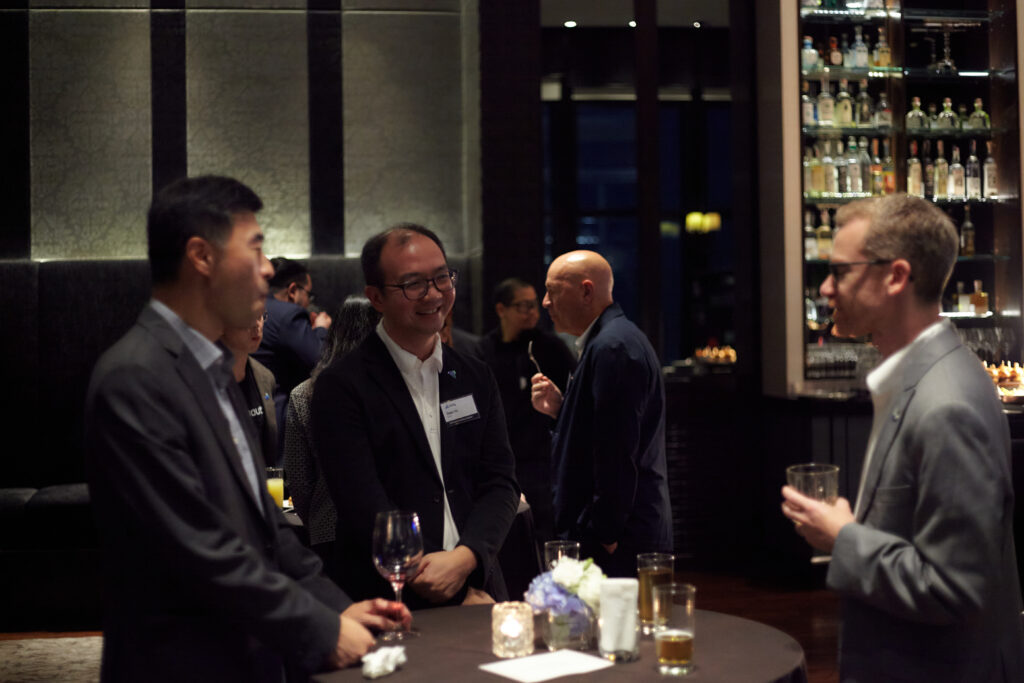
A micro-event is a deliberately small gathering, usually between 10 and 100 people, designed for depth rather than scale. The defining feature is not just the headcount but the intent. The guest list is curated rather than open, the format favours conversation and participation over passive listening, and the setting is chosen to encourage genuine dialogue.
That makes a micro-event closer to a well-run networking event or executive roundtable than a scaled-down conference. Everyone in the room has a reason to be there, which raises the quality of every conversation and every connection made.
The point is relevance. A smaller, sharper audience often produces better outcomes than a large, loosely qualified one, because the value of an event is rarely measured by how many people attended.
Common formats include executive roundtables, invite-only dinners, hands-on workshops and small briefings around a product or theme. What unites them is intent, since each is built around a specific audience and a specific outcome rather than trying to be all things to all attendees.
Why the Shift Is Happening

Three forces are driving the move. The first is attendee preference. While organisers often fixate on big speakers and high production, attendees consistently say the most valuable parts of an event are peer-to-peer learning, intimate networking and hands-on product discovery, all of which are easier to deliver in a smaller room.
The second is economics. With budgets under scrutiny and ROI expectations high, organisations want formats that produce measurable outcomes without huge upfront cost. Micro-events offer a lower-risk way to test a market, gather product feedback or nurture key accounts. The third is simple effectiveness, since companies report that several 75-person events can create more impact than one 300-person event.
Seen through the lens of corporate event management, this is a rational reallocation. The same budget, split across focused gatherings, often returns more than a single showpiece that tries to serve everyone at once.
There is a relationship dividend too. In a small room, conversations continue naturally after the event, and the connections formed tend to be stronger and easier to follow up. For account-based marketing and key client nurture, that depth is often worth more than the broad exposure a large event provides.
Designing a High-Impact Micro-Event

The craft of a micro-event is in the curation. Because every guest matters, the invitation list is a strategic decision, not an afterthought. Start from the outcome you want, whether that is deeper relationships with key accounts or sharp feedback on a new product, and invite the people who make that outcome possible.
Format follows intent. Favour roundtables, facilitated discussion, small workshops and generous unstructured time over a wall of presentations. Thoughtful corporate event planning still matters here, since an intimate event exposes any awkward gap or flat moment far more than a large one can hide.
Build the experience around connection:
Personal touches carry further at this scale. A tailored agenda, a host who knows who is in the room, and thoughtful details such as dietary preferences and seating all signal that guests were considered as individuals. These are the things people remember, and they are far harder to deliver at a thousand-person event.
- Curate the guest list against a clear objective, not a headcount target
- Choose a venue that invites conversation rather than rows of seating
- Design for participation, with discussion and hands-on moments
- Protect time for unstructured networking, where the real value forms
When Bigger Is Still Better
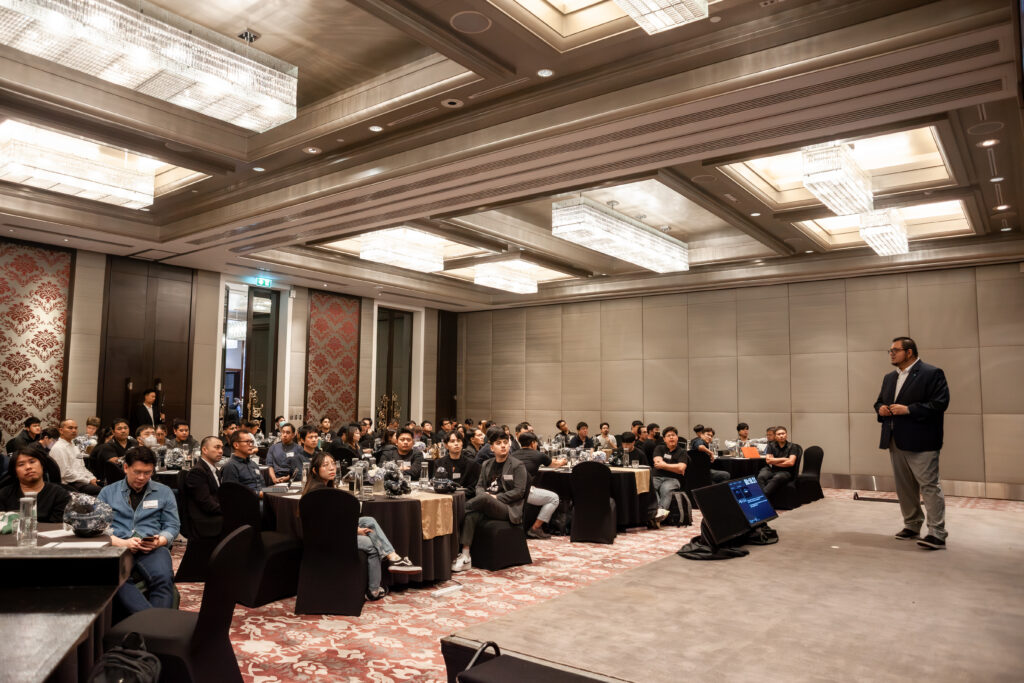
Micro-events are not the end of the large event, and treating this as either-or misses the point. Some objectives still need scale. A major product or sales launch that depends on reach and spectacle, a flagship conference that anchors your industry presence, or a large dinner and dance that brings the whole company together all benefit from size.
The smart approach is a portfolio. Use large events where reach and impact justify them, and use micro-events to go deep with the audiences that matter most between those moments. The two formats complement each other rather than compete.
What matters is matching the format to the goal. A capable partner will help you decide where a focused gathering will outperform a big one, and where the big one is still worth the investment, so every event in your calendar earns its place.
Cadence matters as well. A rhythm of frequent micro-events through the year, anchored by one or two larger moments, keeps your brand present with key audiences rather than relying on a single annual spike. The calendar, not just the individual event, is where the strategy lives.
Conclusion
Micro-events are winning because they deliver what people actually want from a gathering: relevance, real conversation and measurable outcomes. They do not replace large events, they sharpen the mix, and the brands getting it right run both with intent. Here at Eventive, we plan and deliver corporate events of every scale across Singapore and the region, from intimate roundtables and networking events to conferences, product launches, tradeshows, roadshows and dinner and dances, all through one coordinated team.
If you want an event management company in Singapore that can right-size every event to its goal, contact Eventive today, and let’s plan your next event together.
Frequently Asked Questions (FAQ)
- What counts as a micro-event?
A deliberately small gathering, usually 10 to 100 people, designed for depth rather than scale. The guest list is curated, the format favours conversation and participation, and the setting encourages genuine dialogue. - Why are micro-events growing in popularity?Attendees value peer learning, intimate networking and hands-on discovery, which smaller settings deliver better. Tighter budgets and higher ROI expectations also favour focused, lower-risk formats. Around 63% of planners report rising demand.
- Are micro-events better than large conferences?
Not universally. They often produce higher satisfaction and stronger follow-through, but large events still win where reach and spectacle matter, such as major launches. The best approach uses both, matched to the objective. - How do I make a micro-event successful?
Curate the guest list against a clear objective, choose a venue that invites conversation, design for participation rather than presentation, and protect time for unstructured networking where the real value forms. - Do micro-events cost less than large events?
Often less in absolute terms, and they can deliver stronger ROI because spend is concentrated on a relevant audience. Many companies run several focused events for the impact of one large one.
Share it out: