

A Guide to Eventive’s Event Registration System
Jump To Section
- Customisable RSVP Forms: Capturing the Right Attendee Data from the Start
- Automated QR Code Generation: Reducing Friction Between Registration and Arrival
- On-Site QR Scanning, Check-In and Name Tag Printing: Eliminating Queues on Event Day
- Real-Time Dashboard and Attendee Tracking: Full Visibility Before, During, and After
Key Insights:
- Customisable RSVP forms let you capture the attendee data that matters, embedded directly into your event landing page and automatically tabulated in the portal.
- Every registered attendee receives a unique QR code by email, removing manual processes between confirmation and arrival.
- On-site QR scanning with automatic name tag printing eliminates queues and reduces the operational burden on event day staff.
- A real-time dashboard gives organisers a live view of attendance numbers, check-in status, and attendee details throughout the event.
- An integrated event registration system reduces the coordination overhead that typically falls between registration, logistics, and on-the-day management.
If you have ever managed event registration manually, you know how quickly it becomes a problem. A spreadsheet that someone edited last, a printed guest list that does not match the final RSVP count, a pile of unclaimed name tags, and a queue at the door that was not part of the plan. None of these are disasters on their own, but together they set the wrong tone before the event has even started.
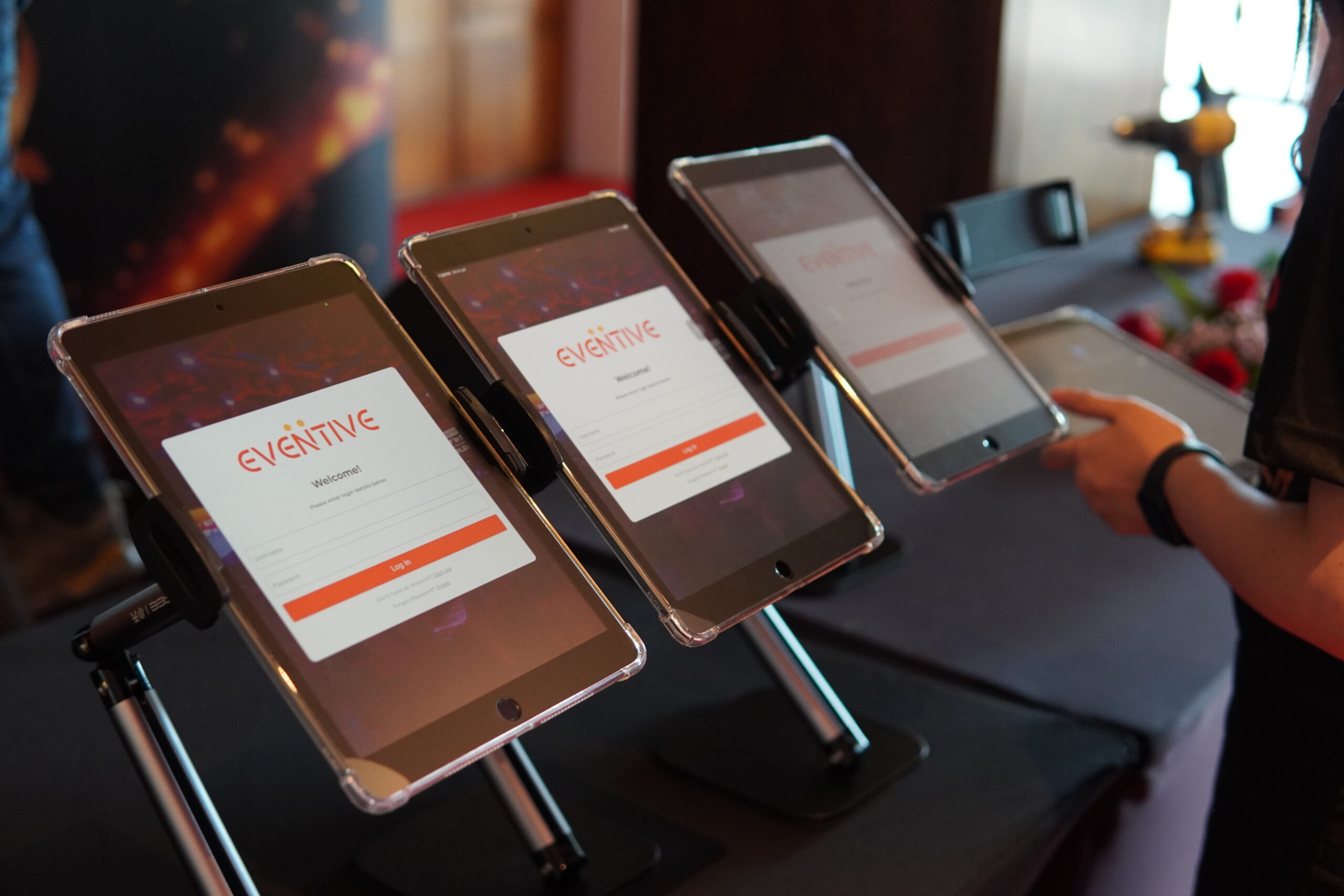
Eventive’s event registration system is designed to replace all of that with a single connected platform. From the moment a guest submits their RSVP to the moment they walk through the door, the process runs with minimal manual input. Here is how each part of the system works.
Customisable RSVP Forms: Capturing the Right Attendee Data from the Start
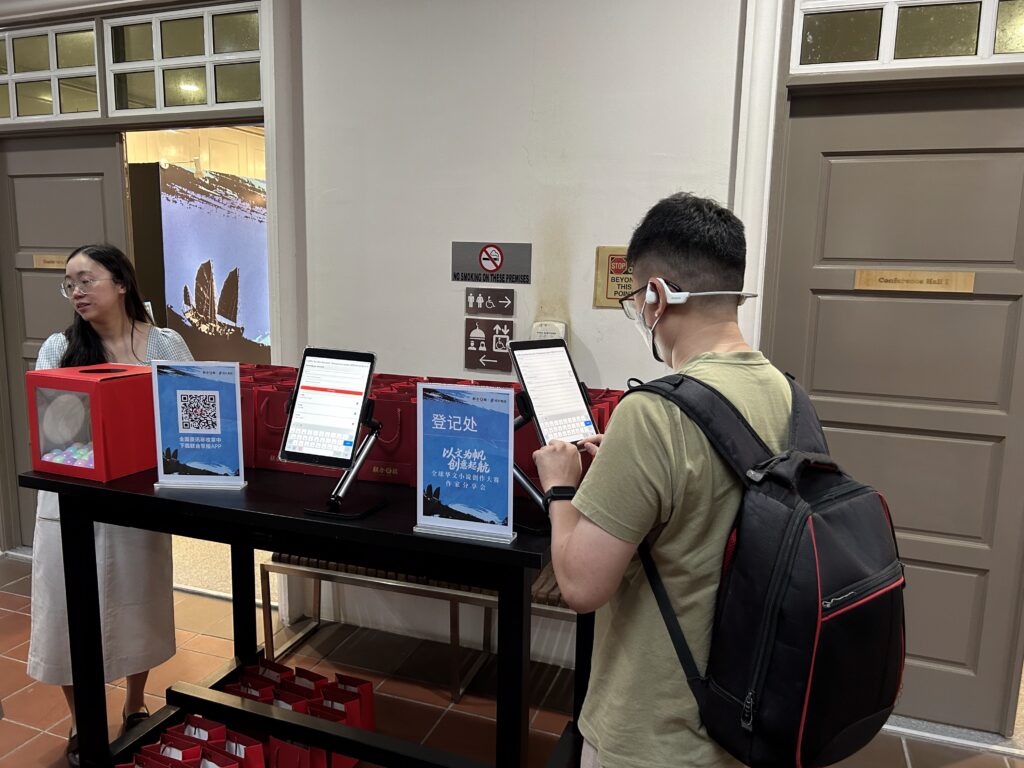
Most event organisers have dealt with the fallout of a poorly built registration form at some point. Guests submit their details, but the data comes through in a format that needs hours of cleaning before it is usable. Or the form collected the wrong information entirely, and now you are chasing dietary requirements two days before the event.
Eventive’s RSVP forms are built to avoid both problems. You can customise the fields to capture exactly what your event needs, whether that is meal preferences, company names, session selections, or anything else relevant to your planning. The form embeds directly into your event landing page, so guests register without being redirected elsewhere.
More importantly, every submission feeds automatically into the registration portal. There is no export, no copy-paste, and no reconciliation needed. The data is there, structured and ready to use, from the moment each guest submits.
For organisers running seminars and conferences with different registration tiers, or networking events where knowing your guest mix matters, having clean data from the start makes everything downstream easier.
Automated QR Code Generation: Reducing Friction Between Registration and Arrival
Once a guest has registered, the next challenge is getting them from their inbox to your door without any friction. Name lookup at the entrance slows everything down. Confirmation emails that guests cannot find create awkward moments at the desk. Neither is a great start to an event.
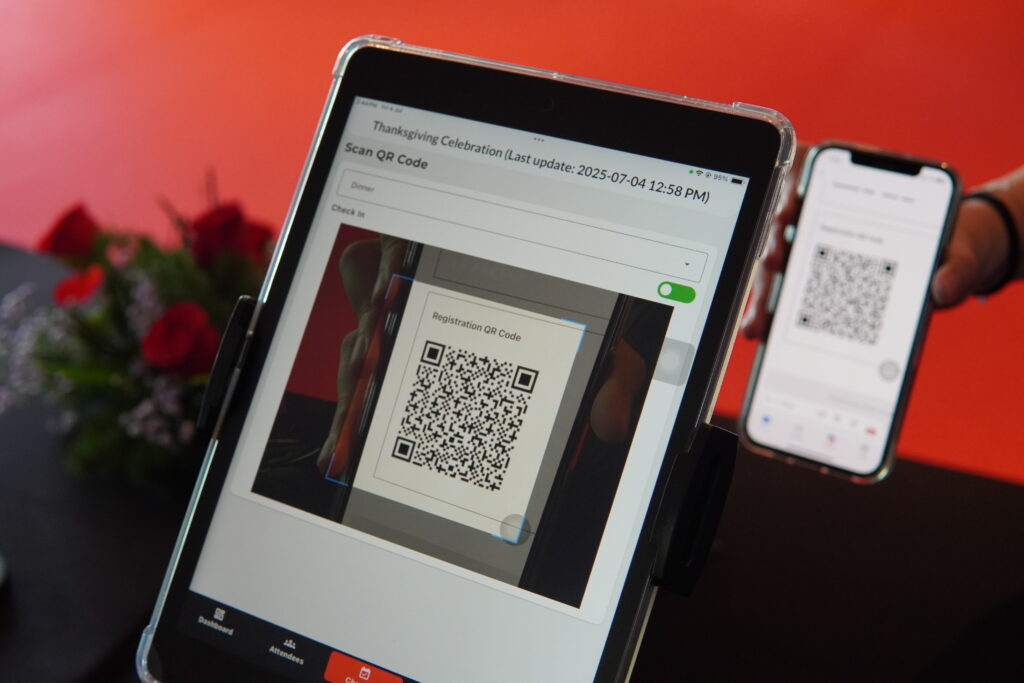
When a guest submits their RSVP through Eventive’s system, they receive an automated confirmation email with a unique QR code attached. That code is their entry credential. They show it on arrival, it gets scanned, and they are in. No searching for their name, no manual tick on a list, no delay.
At scale, this difference is noticeable. For an event with 300 guests, the gap between QR scanning and name-lookup check-in can translate directly into queue length. A process that takes under ten seconds per person keeps arrivals moving. One that takes thirty seconds starts to build up fast.
The confirmation email also doubles as a reminder, giving you a natural opportunity to include venue details, programme highlights, or anything else guests need to know before the day.
On-Site QR Scanning, Check-In and Name Tag Printing: Eliminating Queues on Event Day
Arrival is the moment that sets the tone for everything that follows. Guests who walk in, scan quickly, collect their name tag, and move on feel well looked after from the start. Guests who wait in a slow queue while staff work through a printed list feel the opposite.
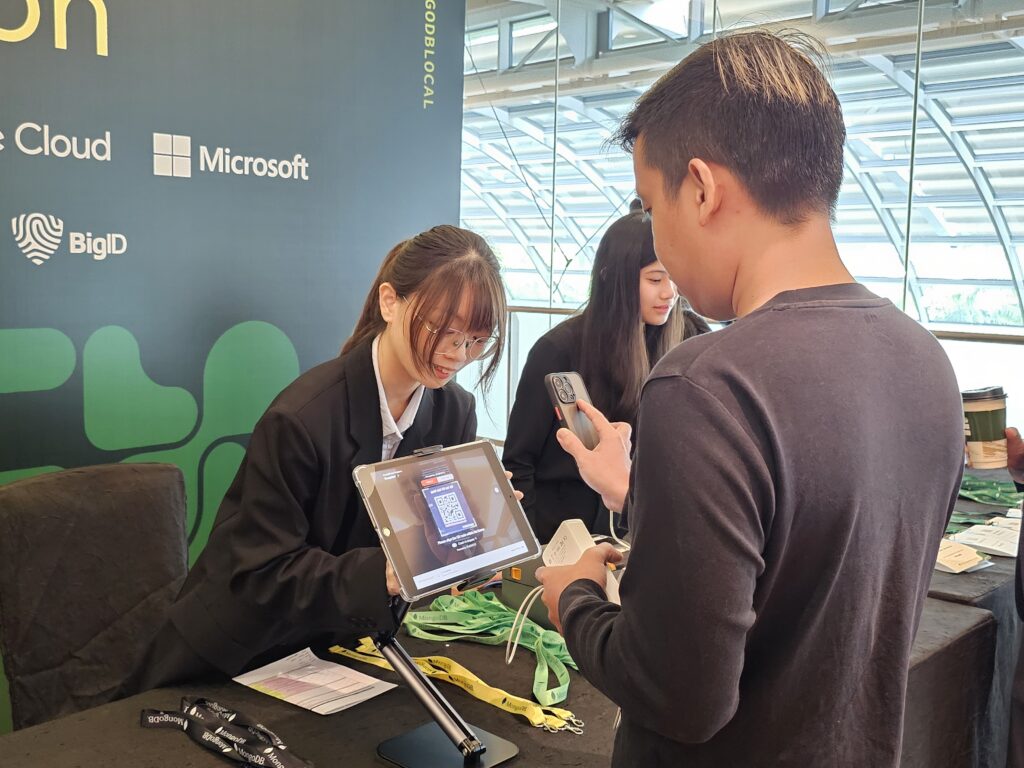
Eventive’s on-site check-in runs through the same app used for the rest of the registration process. A guest scans their QR code, their status updates instantly in the system, and if a printer is connected, their name tag prints automatically. No pre-printed tag table, no unclaimed pile at the end of the night.
For walk-ins or guests who cannot find their QR code, manual check-in is available as a straightforward override. Staff are working in one interface throughout, which keeps things simple under the pressure of a busy arrival window.
For events like product launches or dinner and dances where the arrival experience matters, a smooth check-in process signals to guests that the rest of the event has been prepared to the same standard.
Real-Time Dashboard and Attendee Tracking: Full Visibility Before, During, and After
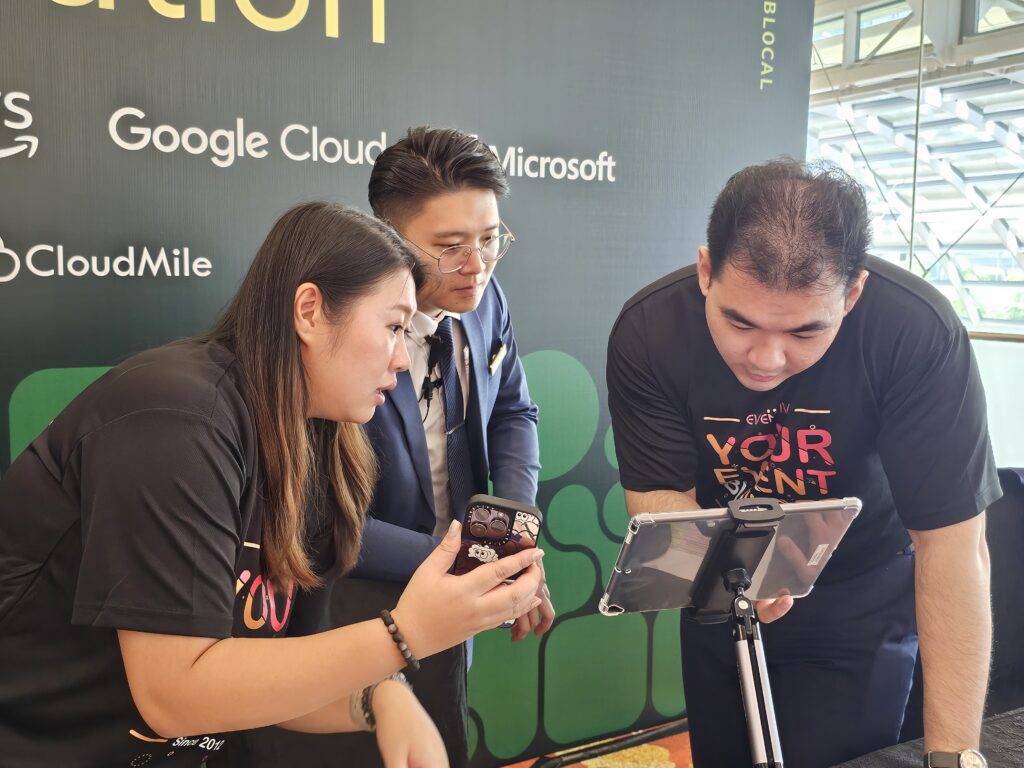
One of the more stressful parts of managing a live event is not knowing your actual attendance picture. You have an RSVP count, but how many of those guests have arrived? Which sessions are filling up? Are the catering numbers still accurate? Without a live view, you are working from guesswork.
Eventive’s dashboard gives you a real-time attendance count updated with every scan. You can see total RSVPs, confirmed check-ins, and a running attendance rate at a glance. For events with multiple guest categories or sessions, the data can be segmented so you are tracking each group separately.
After the event, the same system produces a complete attendee record covering registration details and check-in data. For teams that use events as part of their lead generation or client engagement strategy, that post-event data is useful well beyond the day itself.
The practical value of this is confidence. When you know exactly where your attendance stands at any point, you can make decisions based on what is actually happening in the room, rather than what you expected to happen. Here at Eventive, our event management team uses this data as a live operational tool throughout every event we run.
Conclusion
Registration might not be the most visible part of an event, but it shapes how guests feel before they have even arrived, and how well the organiser can manage what happens on the day. When the whole process sits in one connected system, from the RSVP form through to the post-event report, the coordination work that usually falls through the gaps is handled automatically.
Eventive is an event management company in Singapore that handles everything from event registration through to full event execution. If you want to see what our registration system looks like in practice, get in touch with us to discuss your next event.
Frequently Asked Questions (FAQ)
- How far in advance should corporate event planning start in Singapore? For large-scale events like conferences ordinner and dances, planning should begin at least four to six months out. Smaller events can work with shorter timelines, but earlier planning always improves your options and the quality of what you can deliver.
- What happens when corporate event planning starts too late? Late planning limits venue availability, reduces vendor options, and affects programme quality. It often leads to higher costs, more reactive decision-making, and compromises that show up in the attendee experience.
- Can a corporate event be planned in under a month? Yes, but it requires strong prioritisation and experienced execution. Simplifying the event structure, focusing on coreobjectives, and working with a team that already has vendor relationships in place makes it possible to deliver a quality event in a compressed timeframe.
- Why does event registration matter in corporate event planning? A structured event registration system captures meaningful attendee data, improves check-in efficiency on the day, and supports post-event analysis and follow-up. When planning is rushed, registration is often where gaps first appear.
- What are the key phases of corporate event planning?The main phases are strategy and alignment, planning and coordination, final preparations, and delivery with post-event follow-up. Structuring planning into these phases gives organisers more control and flexibility than working from a single fixed timeline.
- When should I engage an event management company in Singapore?As early as possible. Engaging a professional event management company early secures better resources, streamlines planning across all workstreams, and significantly reduces the risks that typically surface in the lead-up to a corporate event.
Share it out: