

Best Practices for Event Follow-Up and Thank-Yous

Jump To Section
Writing Meaningful Thank-You Messages to Attendees and Partners
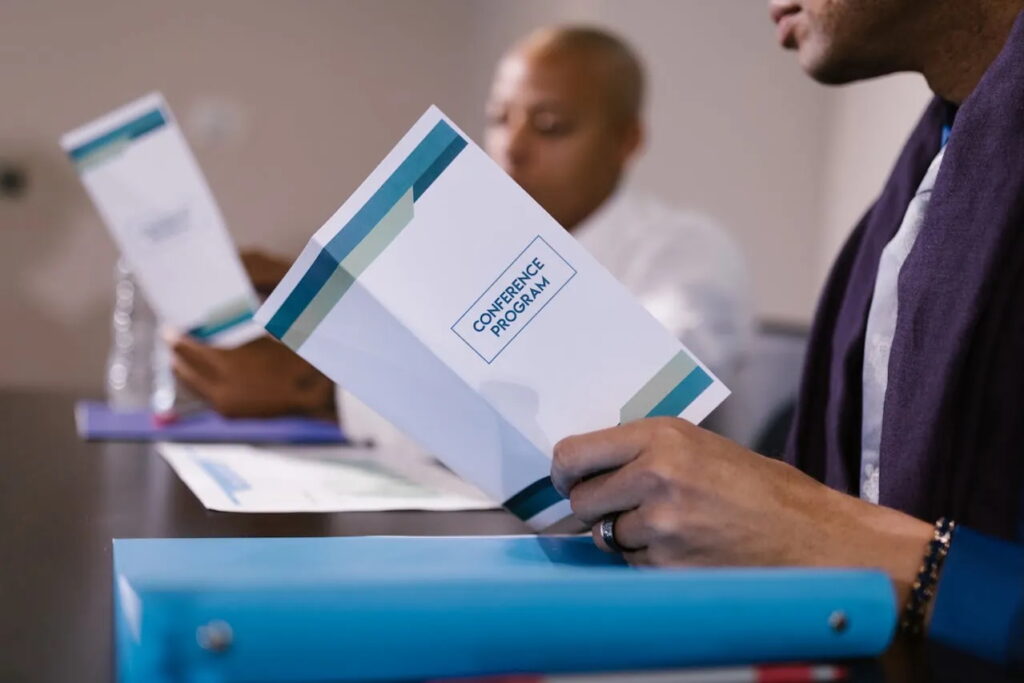
- Personalise your messages:
Use the recipient’s name and reference specific contributions or moments related to them. This shows you’ve put thought into the message and are not simply sending a generic note. For example, mention the session they attended or the partnership they helped make possible. Personalised messages boost engagement and make recipients feel appreciated. - Express genuine appreciation:
Be clear about why you’re thankful, whether for attendance, sponsorship, speaking, or volunteer efforts. Acknowledge their role in the event’s success to highlight their importance. A warm, professional tone can create a positive emotional connection. Avoid overly formal or robotic language to maintain authenticity. - Tailor messages for different audiences:
Attendees, speakers, sponsors, and partners all deserve slightly different approaches. Attendees might appreciate a focus on their participation and feedback, while sponsors may want recognition of their brand’s visibility. Use separate templates or drafts for each group to keep communications relevant. Tailored messaging increases the chances your thank-you will be well received and shared. - Include a call to action:
Use your thank-you message as an opportunity to invite further engagement, such as signing up for future events, following on social media, or completing a survey. This keeps the relationship active beyond the note itself. Be clear but not pushy, offering value in return for continued interaction. A gentle CTA can turn gratitude into opportunity.
Sharing Event Highlights and Photos Post-Event
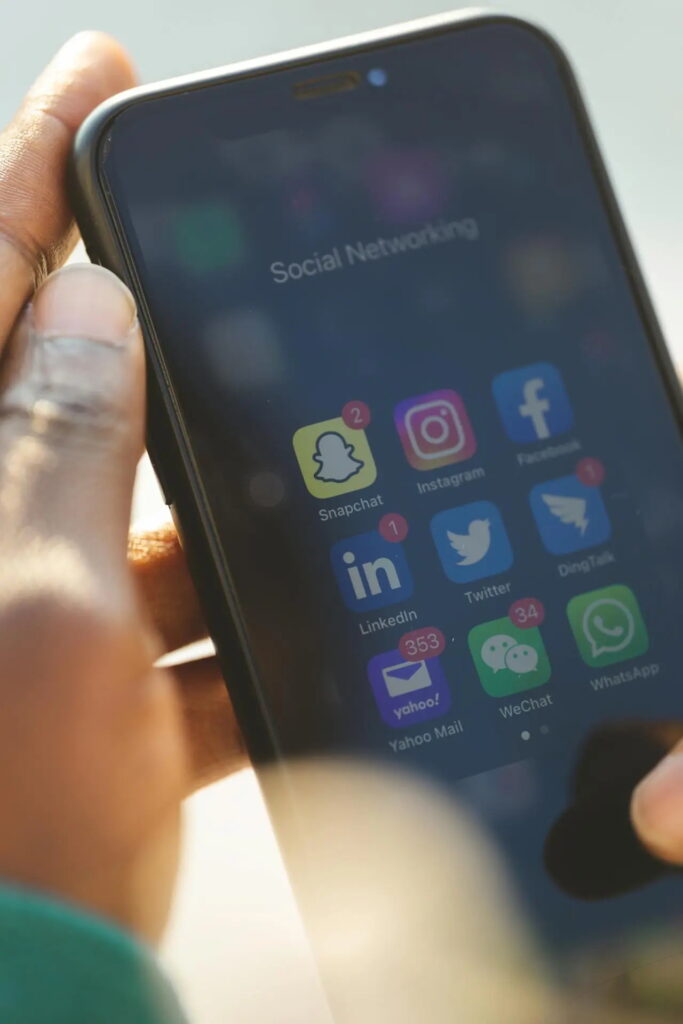
- Create a highlight reel: Edit together short videos or a slideshow showcasing key moments such as speakers, performances, or attendee interactions. Keep it concise, energetic, and branded to leave a strong impression. Highlight reels work well on social media and in email follow-ups. They help convey the event’s atmosphere and value.
- Publish photo albums: Share curated photo galleries on platforms like Facebook or your event website. Include candid shots of attendees, behind-the-scenes moments, and branded visuals. Tag attendees and partners to encourage sharing and wider reach. Photo albums make attendees feel part of a community and encourage UGC (user-generated content).
- Use captions and overlays: Add context to your visuals with captions that highlight speakers’ names, key takeaways, or fun anecdotes. Overlay your event hashtag and brand logo to maintain consistent branding. These elements enhance engagement and help viewers connect the content with your event. Properly captioned photos also perform better on social media.
- Send post-event recap emails: Include your highlights and photo links in a follow-up email to attendees and partners. This keeps the event fresh in their minds and provides shareable content they can use. Including calls to action such as “Share your favourite moment” or “Tag us in your photos” encourages further interaction. A recap email demonstrates professionalism and care.
- Onsite Coordination and Support Assign transportation coordinators to manage arrivals and departures on the event day. These professionals can quickly resolve delays, guide guests, and maintain communication with drivers to ensure seamless transfers. Real-time support is a game changer.
Keeping the Conversation Going on Social Media

- Encourage user-generated content: Prompt attendees to post their own photos, thoughts, or videos using your official event hashtag. Offer incentives or contests to motivate participation. User-generated content amplifies your reach and lends authenticity to your brand. Engaging with this content by liking and commenting builds goodwill.
- Post follow-up questions and polls: Keep the dialogue active by asking your audience for feedback or opinions on event topics via polls or open questions. This not only extends engagement but also provides valuable insights for future planning. Social media algorithms favour interactive posts, increasing visibility. Responding to comments encourages a sense of community.
- Share behind-the-scenes content: Post candid clips or photos that show what goes into event organisation or post-event wrap-up. This transparency humanises your brand and makes followers feel included. Behind-the-scenes content also builds anticipation for upcoming events. It adds a layer of storytelling beyond the event day.
- Tag attendees, speakers, and partners: When sharing content, tag relevant participants to encourage sharing and wider distribution. This connects your event’s ecosystem and strengthens professional networks. Tags also boost post reach and foster collaboration opportunities. Strategic tagging turns your event into a social media conversation hub.
Offering Next Steps or Follow-Up Opportunities

- Invite to upcoming events: Use your follow-up emails and social posts to announce future events early. Offer early-bird discounts or exclusive access to encourage sign-ups. This leverages existing enthusiasm and makes your audience feel valued. Early promotion helps ensure higher attendance for subsequent events.
- Share exclusive content: Provide attendees with additional value through downloadable presentations, video recordings, or special reports related to the event. Exclusive content rewards participation and keeps your brand top of mind. It also establishes your organisation as a valuable knowledge source. This helps convert interest into loyalty.
- Solicit feedback and testimonials: Encourage attendees to share their experience via surveys or reviews. Positive testimonials can be used to promote future events and build credibility. Feedback also highlights areas for improvement, demonstrating your commitment to quality. Make it easy and rewarding for attendees to participate.
- Offer personalised consultations or follow-ups: For business or professional events, invite key attendees or partners to schedule one-on-one meetings or demos. Personal follow-ups add a human touch and can open doors for collaboration or sales. This tailored approach shows you value individual relationships. It also creates opportunities beyond the event itself.
Timelines for Effective Follow-Up
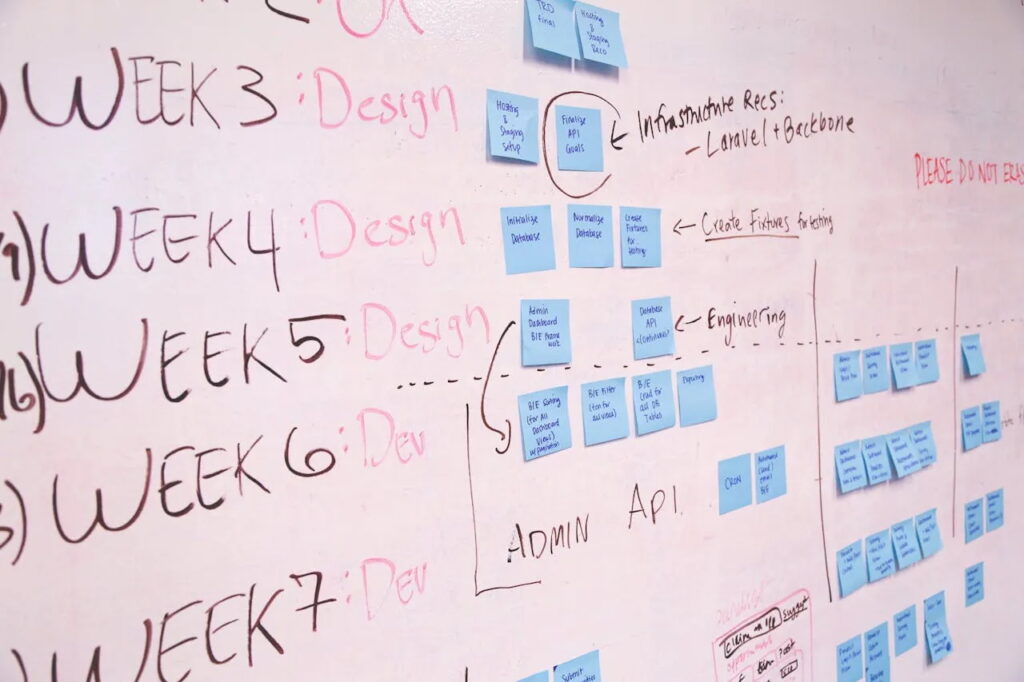
- Send thank-you messages promptly: Aim to deliver personalised thank-yous within 24-48 hours after the event concludes. Prompt appreciation keeps the experience fresh and meaningful. Delays can make your message feel less genuine or important. Timely thank-yous set a positive tone for all subsequent communications.
- Share highlights within the first week: Deliver photos, videos, and recap content soon after the event to maintain excitement. This timing ensures attendees relive the event before the memory fades. It also maximises social sharing while interest is still high. Don’t wait too long to capitalise on post-event buzz.
- Sustain social media engagement over several weeks: Continue posting related content, polls, and discussions for 2-4 weeks post-event. This prolongs the conversation and builds a loyal community. Gradually shift focus toward upcoming opportunities or events during this period. Consistent engagement keeps your audience connected.
- Offer follow-up opportunities within 1-2 weeks: Present next steps such as surveys, exclusive content, or invitations to upcoming events shortly after sharing highlights. This timeframe strikes a balance between enthusiasm and information overload. Clear timelines help you stay organised and responsive. Thoughtful pacing maintains interest without overwhelming recipients.
Effective follow-up and thank-you practices are essential for any event organiser aiming to leave a lasting positive impression. Personalised thank-you messages, timely sharing of highlights, active social media engagement, clear next steps, and well-planned timelines all work together to maximise the value of your event. These strategies not only enhance attendee experience but also build strong relationships that grow your community and brand presence over time.
At Eventive, we understand that successful events don’t end when the last guest leaves. Our tools and expertise help event organisers manage every phase of their event journey, including meaningful and effective follow-up communications. Ready to make your next event truly unforgettable from start to finish? Contact Eventive today to learn how we can help you master the art of post-event engagement.
Share it out: