

Data & Privacy in Corporate Events

Jump To Section
In today’s digital-first world, corporate events increasingly rely on technology to manage registrations, virtual participation, networking, and post-event engagement. While these innovations enhance attendee experience, they also introduce a critical responsibility: safeguarding attendee data. Corporate organisers must navigate a complex landscape of legal and ethical obligations to ensure personal information is collected, stored, and used responsibly.
For event management companies in Singapore, understanding data privacy is no longer optional. From compliance with laws such as the Personal Data Protection Act (PDPA) to ethical considerations in data use, organisers must ensure that both physical and digital events protect attendee trust while delivering business value. This guide explores key legal and ethical considerations, providing actionable insights for professionals seeking to run secure and responsible corporate events.
Understanding Legal Requirements for Event Data

Key considerations include:
- Consent: Ensure attendees explicitly agree to data collection and understand how their information will be used.
- Data minimisation: Collect only the information necessary for event purposes, such as registration, ticketing, or networking.
- Retention periods: Keep data only as long as needed and ensure proper deletion once the event concludes.
- Cross-border transfer compliance: If data is shared with international vendors or platforms, ensure legal safeguards are in place.
Collecting Data Ethically

Organisers can implement ethical data practices by:
- Being transparent: Clearly explain how attendee data will be used and who will have access.
- Avoiding unnecessary collection: Only ask for information directly relevant to the event experience.
- Respecting preferences: Honour opt-out requests for marketing communications or post-event follow-ups.
- Safeguarding sensitive information: Protect personal and corporate data from unauthorised sharing or leaks.
By treating attendee data with respect, organisers not only comply with laws but also strengthen trust and encourage higher engagement during events, as well as help with collecting insightful post-event feedback.
Secure Data Handling and Event Technology
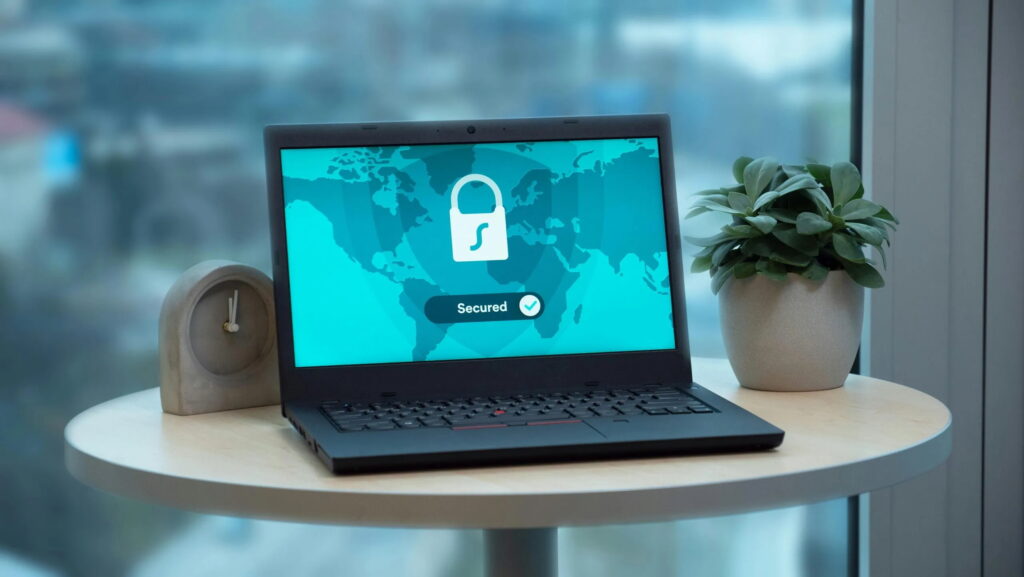
Best practices for secure data handling include:
- Platform security: Use systems with encryption, two-factor authentication, and regular security updates.
- Access control: Limit who can view or edit attendee data internally and among vendors.
- Staff training: Ensure everyone handling data understands protocols and potential risks.
- Third-party agreements: Verify that all external providers comply with data privacy regulations.
Post-Event Data Management

Key practices include:
- Archiving responsibly: Store data securely if it needs to be retained for business purposes, such as invoicing or reporting.
- Data disposal: Permanently delete personal information that is no longer necessary.
- Responsible sharing: Ensure any post-event insights shared with sponsors or partners are anonymised or approved by attendees.
- Auditing and documentation: Keep records of how data was handled to demonstrate compliance and ethical practices.
Proper post-event data management ensures that your corporate events remain credible and compliant, reinforcing trust with both attendees and stakeholders. In addition. Proper post-event data management also provides feedback and insights that can be used to improve future events.
Data and privacy are integral to modern corporate events. Event management companies in Singapore must not only comply with regulations like PDPA but also implement ethical, secure, and transparent practices across all stages of the event. From legal compliance and responsible data collection to secure handling and post-event management, prioritising privacy ensures attendee trust, protects your organisation, and enhances the overall event experience.
Looking to ensure your corporate events are secure, compliant, and attendee-focused? Contact Eventive today to discover how we help brands deliver responsible and impactful corporate events.
Share it out: