

Event Day Execution: Essential Checklist for Organisers

Jump To Section
Key Takeaways:
A structured event day checklist reduces last-minute errors and delays.
Clear role delegation ensures smooth event production and vendor coordination.
Real-time communication improves response to unexpected issues.
Proper event registration setup enhances attendee experience.
Technical rehearsals minimise AV and programme disruptions.
A post-event debrief strengthens future event management strategies.
Event day is where months of planning, coordination, and decision-making come together in real time. No matter how detailed the preparation, live events are dynamic by nature: speakers run over time, technical issues arise, and attendee needs shift throughout the day. What separates a well-executed corporate event from a stressful one is not the absence of challenges, but the ability to manage them confidently and efficiently.
For organisers, event day execution requires a balance of structure and flexibility. Clear processes, well-briefed teams, and strong on-the-ground coordination allow issues to be addressed quickly without disrupting the overall experience. From first impressions at registration to smooth session transitions and post-event wrap-up, every operational detail plays a role in how attendees, clients, and stakeholders perceive the event.
In this guide, we break down the essential event day execution checklist that event organisers can rely on to deliver seamless, professional corporate events from start to finish.
Pre-Event Setup and Staff Briefing

Event day execution starts well before the first attendee arrives. A thorough setup and briefing ensures everyone, from staff to suppliers, is aligned and confident in their role.
Begin with a final venue walkthrough. Confirm that the layout matches your event plan, signage is clearly visible, and all technical setups are in place. This includes sound, lighting, screens, Wi-Fi, and any event-specific equipment. Where possible, test everything live rather than relying on confirmations.
Equally important is the staff and vendor briefing. This should be short, focused, and practical. Every person involved should know:
- Their responsibilities
- Who they report to
- What to do if something goes wrong
Emergency procedures, escalation paths, and contingency plans should be clearly communicated. When everyone understands the bigger picture, teams work with more confidence and fewer questions.
This is where experienced teams from an event management company in Singapore add significant value — coordinating multiple stakeholders and ensuring nothing is overlooked before doors open.
Registration and Attendee Flow Management

Registration sets the tone for the entire event. Long queues, unclear signage, or overwhelmed staff can create frustration before the programme even begins.
A smooth event registration process starts with planning for peak arrival times. Whether you’re using digital check-in tools or manual registration counters, ensure you have enough staff to manage volume efficiently. Clear signage and visible staff members help guide attendees and prevent bottlenecks.
Beyond check-in, consider how attendees move throughout the venue. Crowd flow between sessions, networking areas, and refreshment spaces should feel intuitive. Accessibility should also be a priority — from step-free access to clearly marked facilities.
Well-managed attendee flow doesn’t just improve experience; it reduces stress for organisers and staff. This level of coordination is often supported by experienced event planning services that understand venue dynamics and audience behaviour.
Real-Time Coordination and Problem-Solving
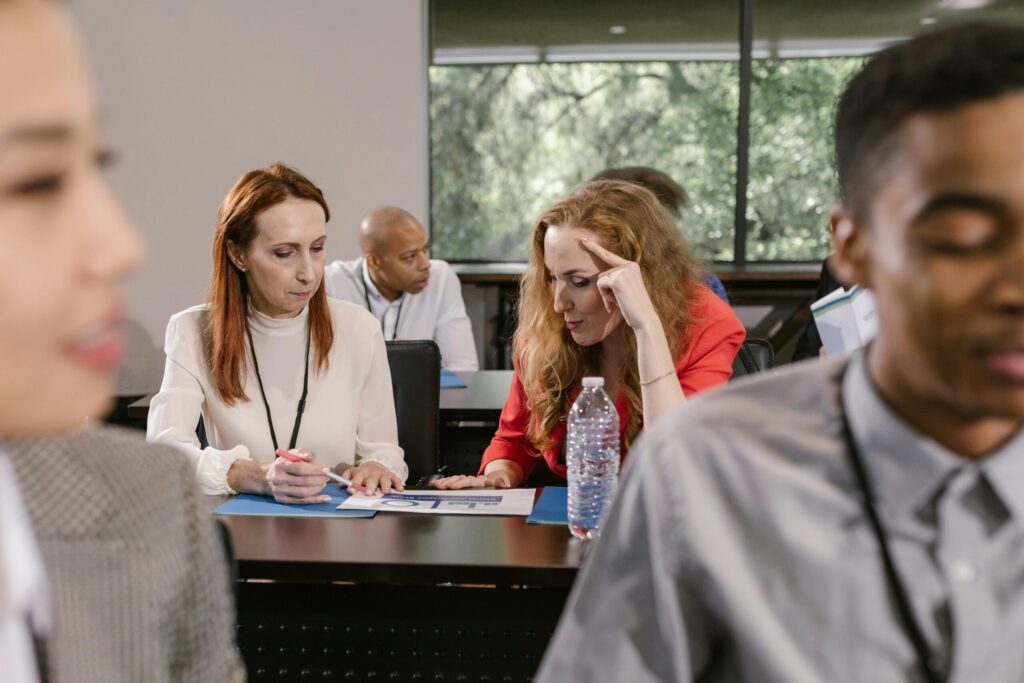
No matter how detailed the plan, something will change on event day. A speaker may arrive late, a session may overrun, or technical issues may arise. What matters is how quickly and calmly the team responds.
A successful event organiser establishes a clear command structure. There should be a central point of contact coordinating schedules, speakers, and suppliers. Communication channels must be simple and reliable, whether that’s walkie-talkies, messaging apps, or designated runners.
Monitoring the programme in real time is essential. Keep a close eye on speaker timings and session transitions, allowing for flexibility where needed. Building buffer time into the schedule gives organisers room to adjust without disrupting the overall flow.
Contingency planning is key. Backup equipment, alternative speakers, or revised run sheets should be prepared in advance. When teams know the plan B, issues can be resolved quietly without attendees noticing.
This kind of real-time coordination is a core strength of a professional event management company in Singapore, particularly for multi-session or large-scale corporate events.
Post-Session Wrap-Up and Collecting Feedback

Event execution doesn’t end when the last session finishes. A structured wrap-up ensures the event closes professionally and provides valuable insights for future improvements.
Start with teardown coordination. Vendors should dismantle equipment safely and efficiently, following agreed timelines and venue requirements. A final venue check helps ensure nothing is left behind and that handover conditions are met.
Equally important is capturing feedback while the experience is still fresh. Quick post-event surveys, informal conversations, or internal team debriefs can reveal valuable insights about what worked and what didn’t.
Document operational challenges, unexpected issues, and successful solutions. These notes become invaluable references for future events and help refine processes over time.
For more information, be sure to browse our blog articles on collecting insightful post-event feedback.
Successful event day execution is rarely about reacting in the moment — it’s the result of careful planning, clear communication, and a well-coordinated team working behind the scenes. When pre-event preparation is thorough and roles are clearly defined, organisers are better equipped to manage schedules, attendee flow, and unexpected challenges without compromising the overall experience.
From ensuring smooth registration and real-time coordination to capturing feedback and lessons learned, a structured event day checklist helps transform complex operations into a seamless experience for both attendees and stakeholders. Over time, refining these processes not only reduces risk but also improves efficiency, consistency, and the quality of every corporate event delivered.
If you’re looking for a trusted event management company in Singapore to support your event from planning through execution, contact Eventive today to discuss how our experienced team can help deliver your next corporate event with confidence, clarity, and precision.
Frequently Asked Questions (FAQ)
1. What is event day execution in event management?
Event day execution refers to the on-site coordination, supervision, and management of all operational elements during a corporate event, including registration, technical setup, programme flow, vendor management, and guest experience.
2. Why is an event day checklist important?
An event day checklist ensures that organisers track logistics, timelines, responsibilities, and contingency plans. It reduces oversight and improves efficiency for conferences, seminars, networking events, and product launches.
3. What should be included in an event day checklist?
A comprehensive checklist should include:
Venue setup and technical checks
Event registration system testing
Vendor and supplier confirmations
Programme flow and run sheet review
Guest arrival coordination
Emergency and contingency plans
4. How do corporate event organisers handle last-minute issues?
Professional event organisers rely on:
Clear communication channels
Backup vendors and technical redundancies
Assigned problem-solving leads
Flexible scheduling buffers
Proactive planning is a key differentiator for experienced corporate event companies.
5. What is the role of event production during execution?
Event production ensures all technical components like lighting, sound, staging, LED screens, and live streaming function seamlessly to support the overall event marketing and branding objectives.


Start Your Next Event Now!
LET’S GO!
Let us know a couple of details and your event objective to get the ball rolling.


