

Project Management Tools Every Event Organiser Should Use in 2026
Jump To Section
Key Insights:
Task management tools improve accountability across event planning teams.
Communication platforms centralise vendor and stakeholder coordination.
Digital scheduling tools streamline programme timelines and rehearsals.
Budget tracking systems improve cost control and resource allocation.
Corporate events have become increasingly complex. From coordinating multiple vendors and managing tight timelines to meeting client expectations and controlling budgets, today’s event organisers juggle more moving parts than ever before. In 2026, success is no longer just about experience but about having the right systems in place to support that experience.
Rather than relying on spreadsheets, emails, and last-minute checklists, professional event organisers are turning to structured project management tools that bring clarity, accountability, and efficiency to the planning process. This means understanding the different types of tools that support each stage of event delivery.
For any event management company in Singapore handling corporate events, conferences, or roadshows, these tools form the backbone of smooth operations. In this guide, we explore the essential categories of project management tools every event organiser should be using in 2026 and how they contribute to better outcomes before, during, and after the event.
Task and Workflow Management Tools
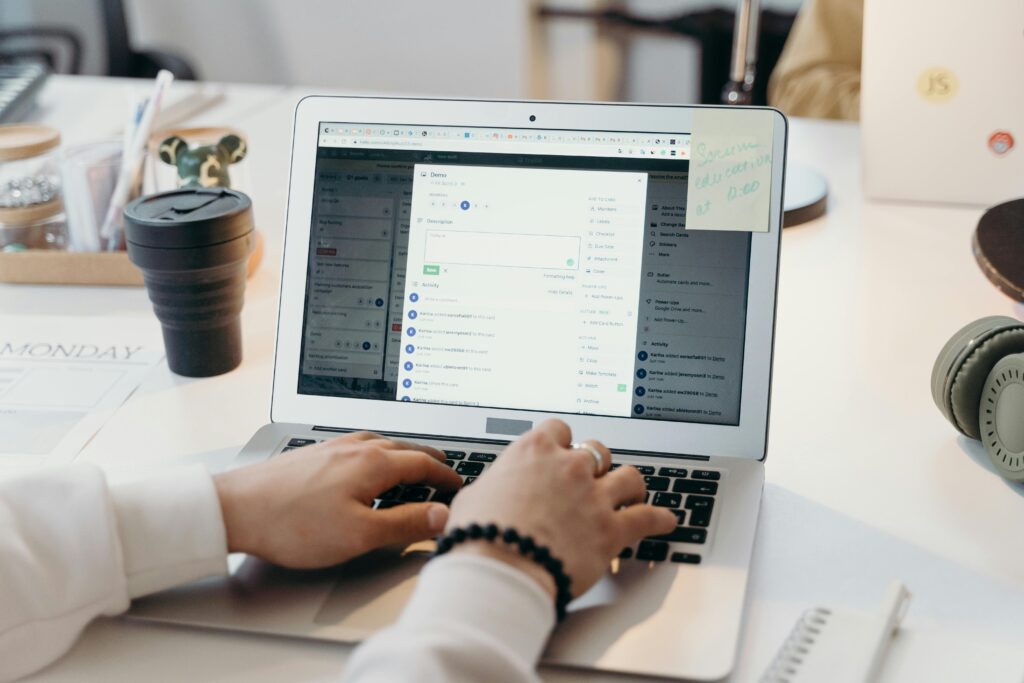
Task and workflow management tools are the foundation of organised event management. They allow event organisers to break down large projects into smaller, manageable actions and assign responsibility clearly across teams.
These tools are particularly useful when coordinating internal teams, freelancers, and external vendors, ensuring everyone understands what needs to be done and by when.
Task and workflow management tools can help your team:
- Clear task assignment and ownership
- Defined deadlines and dependencies
- Visibility over progress and bottlenecks
- Reduced reliance on manual follow-ups
For corporate events with multiple stakeholders, these tools help event organisers stay proactive, giving them a critical advantage when timelines are tight and expectations are high.
Communication and Collaboration Tools
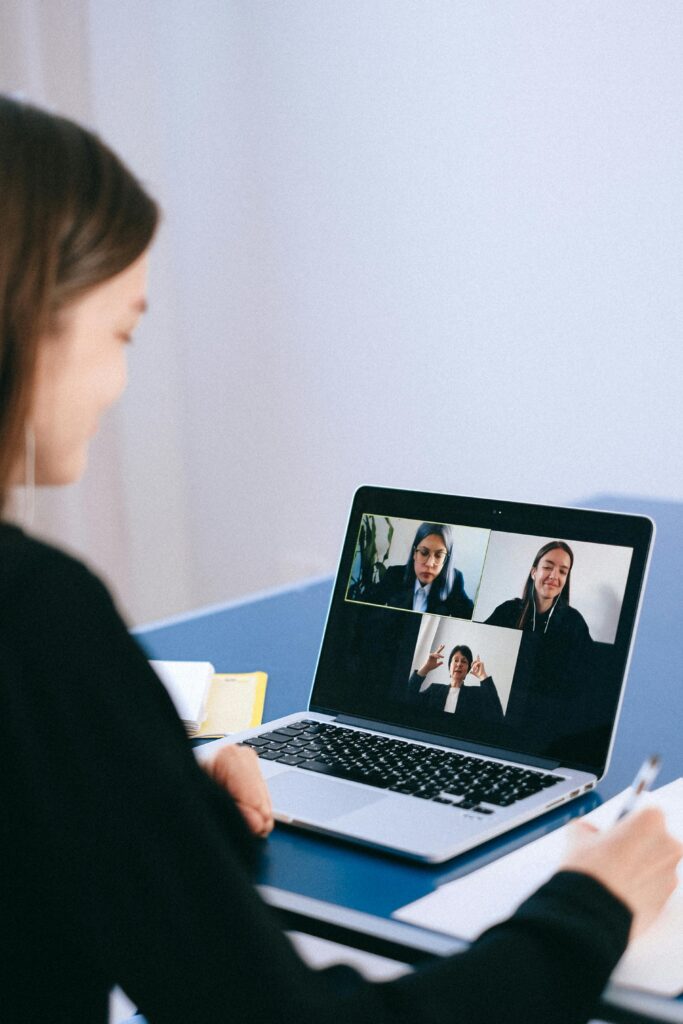
Even the best plans can fail without clear communication. Communication and collaboration tools centralise conversations, documents, and updates so teams can work together more efficiently.
Instead of juggling emails, messaging apps, and shared drives, event organisers can use collaboration tools to keep all event-related communication in one place — especially useful when changes happen quickly.
These tools help with:
- Real-time team communication
- Centralised file sharing (run sheets, floor plans, proposals)
- Reducing miscommunication and duplicated work
- Faster decision-making during planning and live execution
For on-site teams, having immediate access to updated information can make the difference between a smooth resolution and a visible disruption.
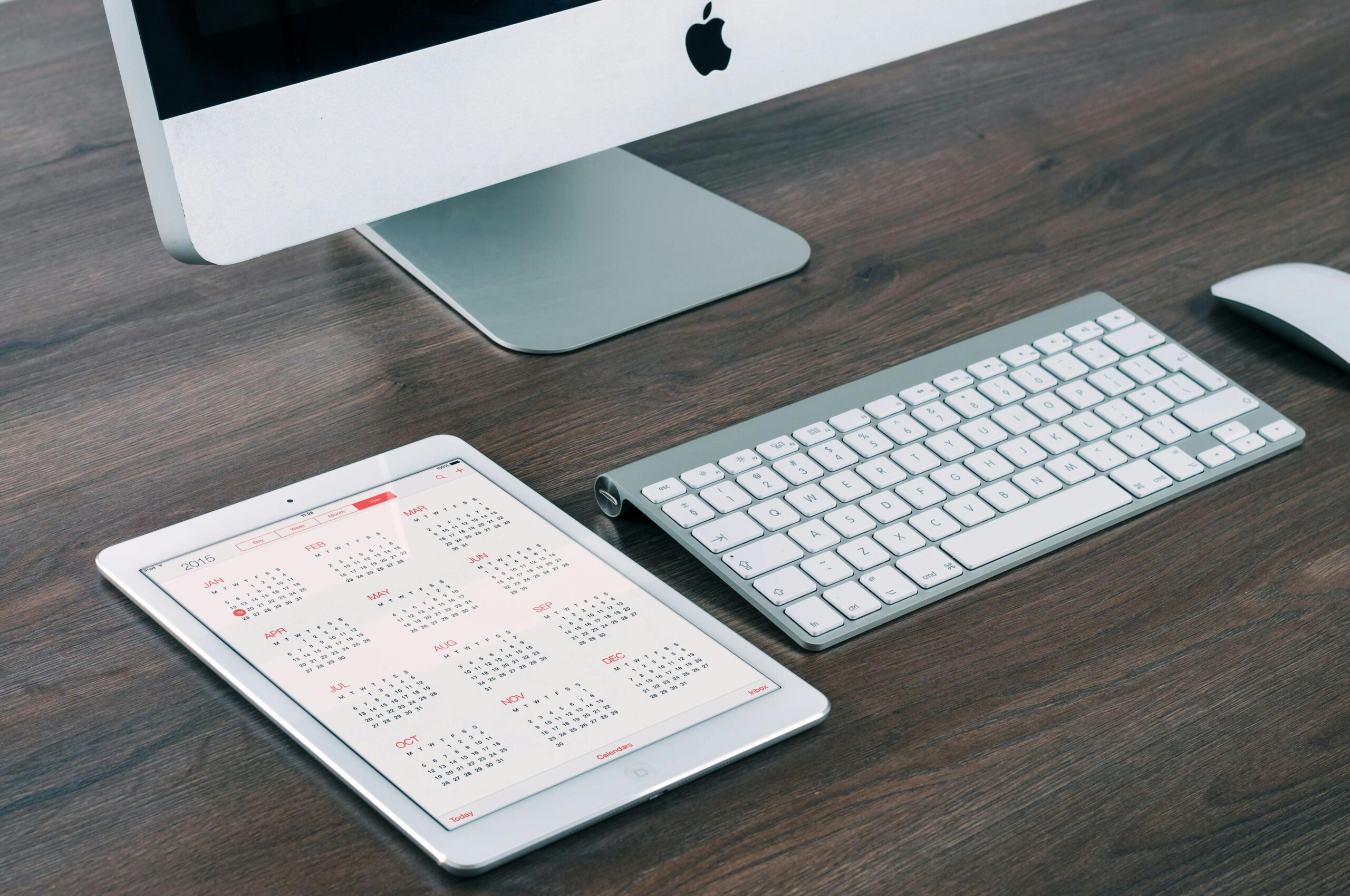
Scheduling and Calendar Tools
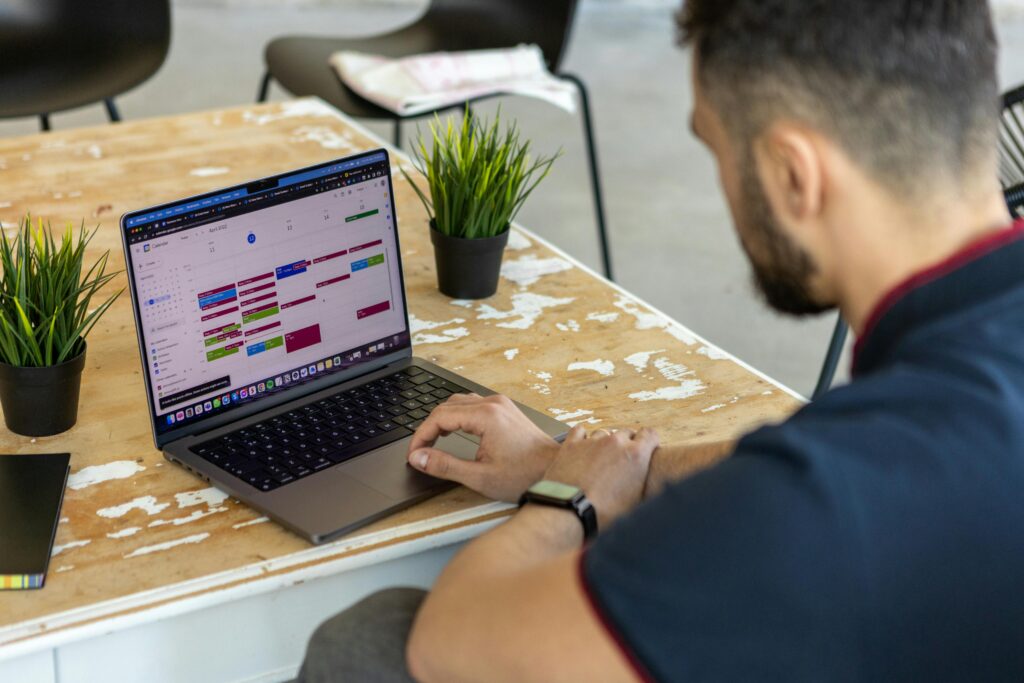
Timing is everything in event planning. From pre-event milestones to speaker rehearsals and programme run-throughs, scheduling tools help visualise timelines and avoid conflicts.
These tools are especially important for multi-day seminars and conferences, hybrid events, and large-scale corporate functions where multiple sessions and stakeholders must align perfectly.
They support event organisers by:
- Organising meetings, rehearsals, and site visits
- Mapping session schedules and event programmes
- Coordinating speaker availability and vendor timelines
- Preventing overlaps and last-minute clashes
With proper scheduling tools, event organisers can maintain control over complex event timelines and respond quickly when adjustments are needed.
Budgeting and Resource Management Tools
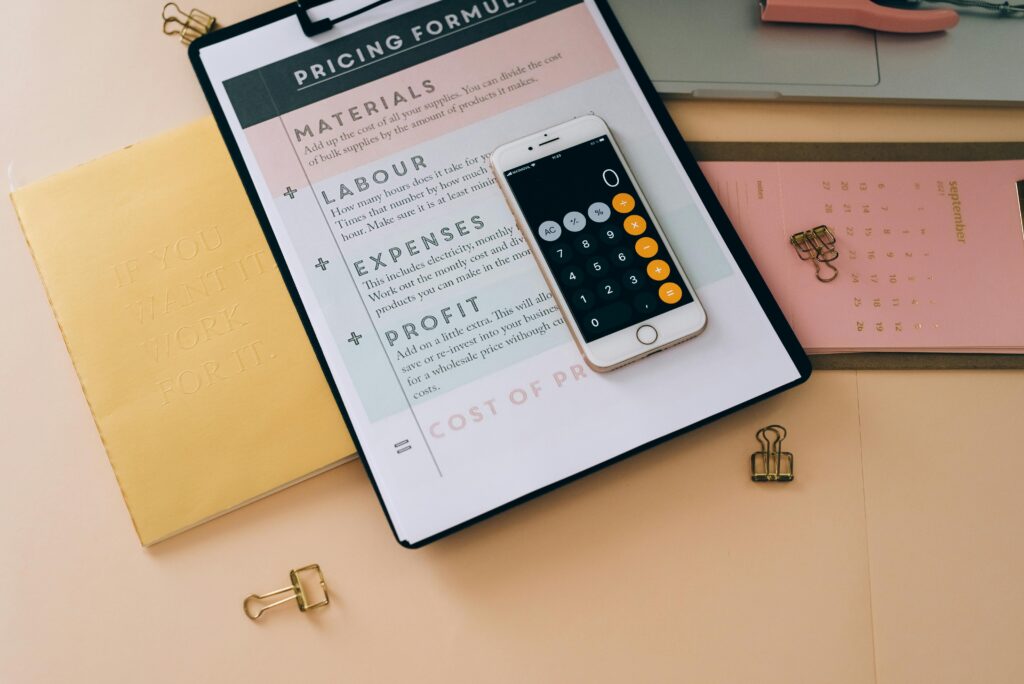
Budget control is one of the most critical responsibilities of an event organiser. Budgeting and resource management tools provide real-time visibility into costs, helping event organisers make informed decisions throughout the event planning process.
Rather than reviewing costs only at the end of an event, these tools allow event organisers to track spending as it happens and manage resources more strategically.
They are commonly used to:
- Track overall event budgets in real time
- Monitor vendor costs and payment schedules
- Allocate staff, equipment, and spaces efficiently
- Identify potential overspending early
For a professional event management company in Singapore, these tools help maintain transparency with clients while ensuring financial sustainability across multiple projects.
In 2026, successful event planning is driven by structure, clarity, and coordination. Task management, communication, scheduling, and budgeting tools each play a distinct role in keeping events on track long before the first guest arrives.
For any event management company in Singapore, adopting the right mix of project management tools is no longer optional. These tools reduce risk, improve collaboration, and enable teams to focus on delivering memorable event experiences rather than managing chaos behind the scenes.
If you’re looking to streamline your event planning processes and deliver corporate events with confidence, contact Eventive today to discover how our experienced team and proven workflows can support your next event from concept to execution.
Frequently Asked Questions (FAQ)
1. Why do event organisers need project management tools?
Project management tools help organisers track tasks, budgets, vendor coordination, and schedules in real time. They reduce errors and improve efficiency across corporate events.
2. What types of tools are most important for event management?
The most important tools include:
Task and workflow management platforms
Team communication systems
Digital scheduling and calendar tools
Budget and expense tracking software
3. How do project management tools improve corporate event planning?
They centralise information, automate reminders, improve collaboration, and provide visibility into deadlines and financial tracking. These are all essential for conferences, product launches, and networking events in Singapore.
4. Are spreadsheets enough for event planning?
Spreadsheets can support budgeting, but they lack real-time collaboration, automation, and workflow visibility required for complex corporate event management.
5. How can an event management company improve efficiency with digital tools?
By integrating task tracking, communication, scheduling, and budgeting platforms into a unified workflow, event organisers can standardise processes and scale operations more effectively.


Start Your Next Event Now!
LET’S GO!
Let us know a couple of details and your event objective to get the ball rolling.


