

Event Marketing in 2026: Trends Every Organiser Should Know
Jump To Section
Event marketing has evolved significantly over the past few years. What was once focused largely on promotions and registrations has become a strategic discipline that supports brand positioning, lead generation, relationship building, and long-term business growth. As we move into 2026, corporate events are no longer judged solely by attendance numbers, but by the quality of engagement and measurable outcomes they deliver.
In 2026, event marketing goes beyond promotion alone. It plays a role in:
- Strengthening long-term brand visibility and credibility
- Supporting lead generation and business development
- Enhancing attendee experience across physical and digital touchpoints
- Aligning events with broader marketing and organisational objectives
This article explores the key event marketing trends shaping 2026, offering organisers and brands a clearer understanding of how to remain relevant, competitive, and results-driven in an increasingly complex event landscape.
Digital Integration Across Marketing Channels
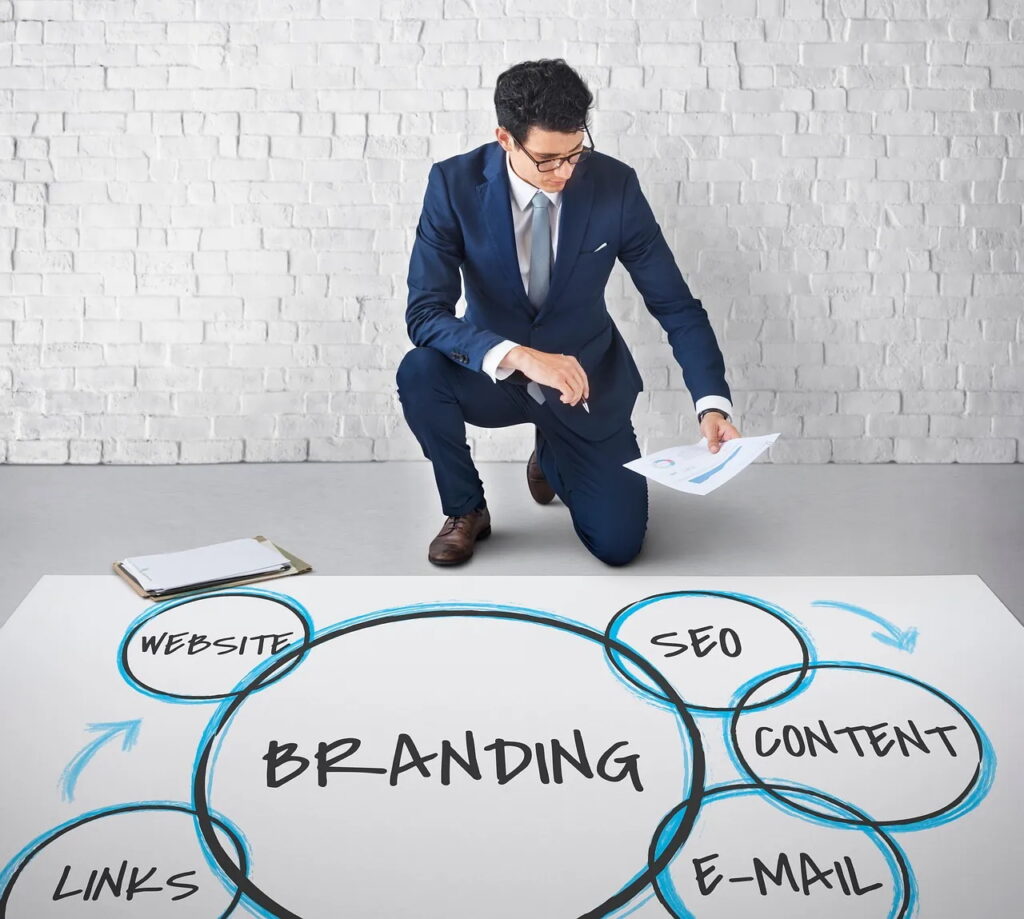
Rather than running disconnected campaigns across social media, email, paid advertising, and partnerships, organisers are aligning these touchpoints to deliver a consistent message throughout the event lifecycle. This creates a more coherent experience for potential attendees, reinforcing brand identity and improving recall.
Integrating digital marketing into your event marketing services also allows organisers to guide audiences seamlessly from awareness to consideration and participation. A prospect might first encounter an event through a social post, receive follow-up content via email, and later engage with thought leadership or speaker highlights before making a decision. When messaging is aligned, each touchpoint builds upon the last, strengthening trust and credibility.
For organisers, this approach also improves efficiency. Shared insights across channels help optimise messaging, timing, and budget allocation, ensuring that your event marketing efforts are both effective and scalable.
Personalisation Through Data Segmentation
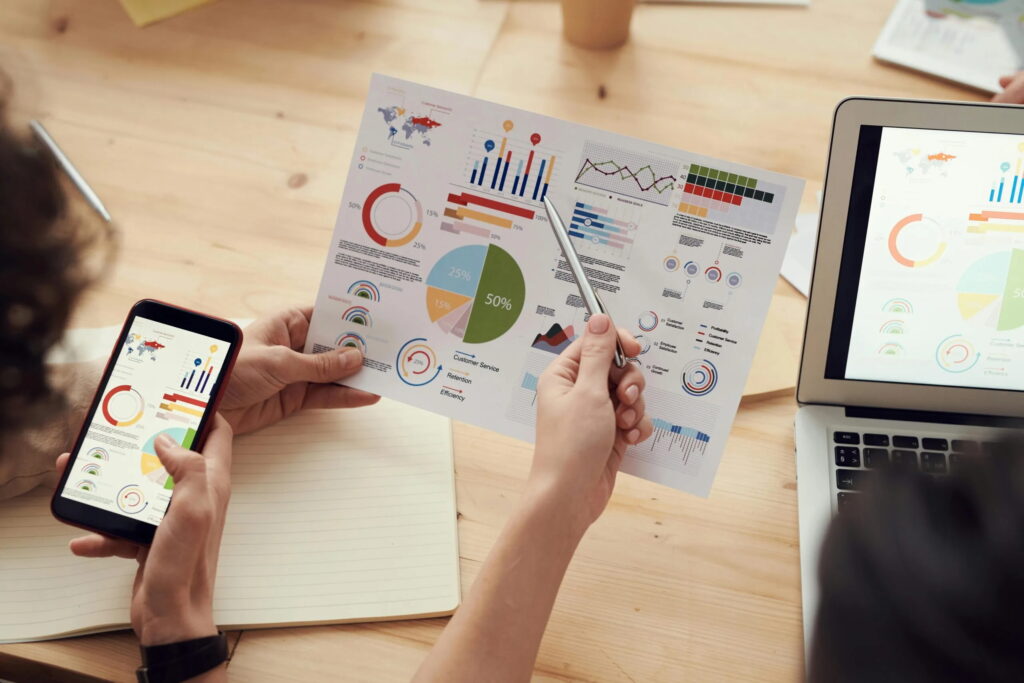
In 2026, personalisation is driven by smarter, more responsible use of data. Organisers are segmenting audiences based on factors such as industry, job role, past attendance, and engagement behaviour, allowing for more targeted and meaningful communication. This ensures that invitations, content previews, and updates resonate with recipients rather than feeling generic or excessive.
Personalised event marketing does not mean collecting as much data as possible. Instead, it focuses on using relevant insights to enhance the attendee experience while maintaining transparency and trust. Clear communication around how data is collected and used is essential, particularly as privacy expectations and regulations continue to evolve.
When implemented thoughtfully, personalisation helps organisers cut through noise, improve engagement rates, and build stronger relationships with attendees long before the event begins.
Marketing Hybrid Experiences as a Single Narrative
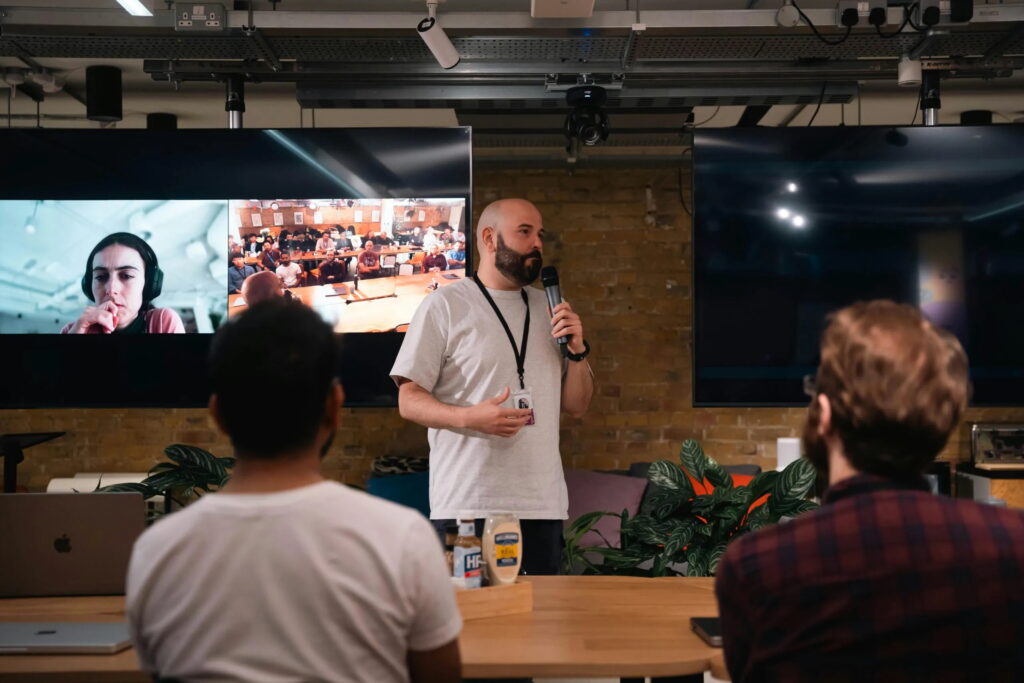
Hybrid events have become a permanent feature of the corporate event marketing landscape, but the way they are marketed has matured significantly.
In 2026, hybrid events are no longer promoted as two separate experiences, one physical and one virtual. Instead, they are positioned through a single narrative that focuses on value, outcomes, and content quality, regardless of how attendees choose to participate.
Effective event marketing now emphasises what attendees will gain, such as insights, connections, or strategic knowledge, rather than where they will attend from. This unified messaging helps eliminate confusion, avoids creating perceived hierarchies between in-person and virtual audiences, and strengthens overall brand perception.
By presenting hybrid events as cohesive experiences, organisers can broaden reach without diluting impact. Attendees feel equally valued, and the event itself is positioned as inclusive, flexible, and future-ready.
Measuring ROI Beyond Attendance Metrics
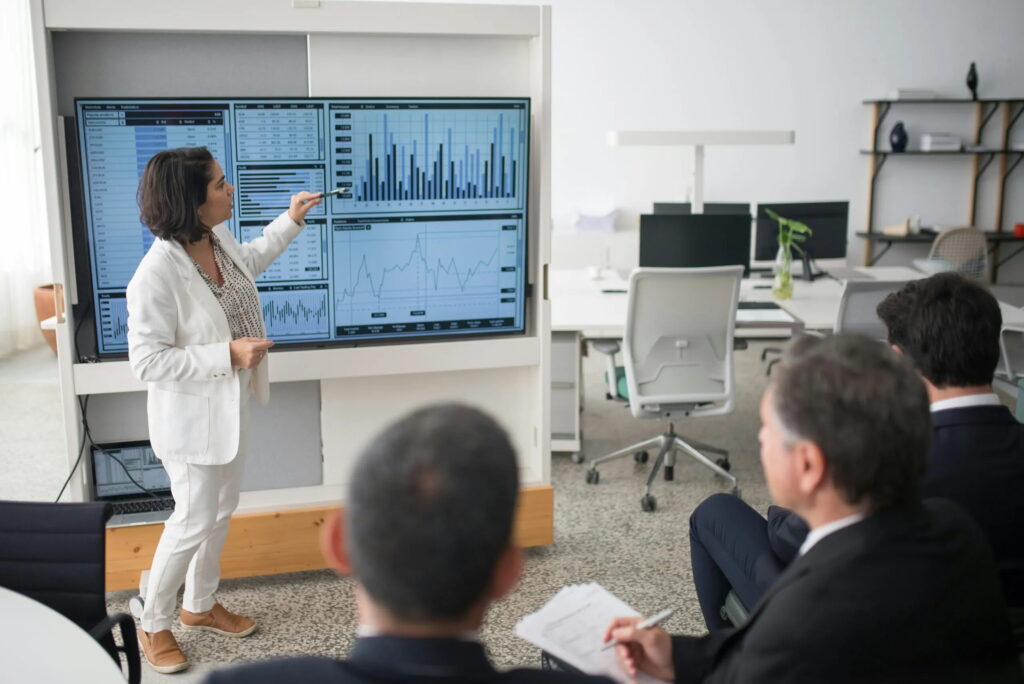
While attendance remains a useful indicator, it is no longer sufficient on its own. In 2026, organisers are evaluating event performance through a wider range of metrics that better reflect business impact.
In 2026, event marketing performance is increasingly assessed using:
- Engagement quality and session interaction
- Lead intent and post-event follow-up activities
- Content consumption before, during, and after the event
- Long-term brand and relationship impact
These insights allow organisers to understand not just who attended, but how attendees interacted with content, speakers, and networking opportunities. This deeper analysis supports better decision-making for future events, from programme design to marketing spend.
Event marketing in 2026 is strategic, integrated, and results-driven. Organisers who succeed will be those who move beyond fragmented promotions and focus on cohesive digital strategies, responsible personalisation, unified hybrid messaging, and meaningful performance measurement. Staying ahead of these trends is essential for delivering events that create lasting brand value and measurable business impact.
Looking to elevate your event marketing strategy for 2026 and beyond? Contact Eventive today to discover how we help brands plan, promote, and deliver impactful corporate events with measurable results.
Share it out: