

How AI Actually Helps You Plan Better Corporate Events

Jump To Section
- Customisable RSVP Forms: Capturing the Right Attendee Data from the Start
- Automated QR Code Generation: Reducing Friction Between Registration and Arrival
- On-Site QR Scanning, Check-In and Name Tag Printing: Eliminating Queues on Event Day
- Real-Time Dashboard and Attendee Tracking: Full Visibility Before, During, and After
Key Insights:
- AI is now mainstream in events, with around 67% of professionals using it for planning and 95% expecting their use to grow, yet only a minority report a dramatic improvement so far.
- The strongest use cases are practical: attendance forecasting, registration insights, content drafting and personalisation, not headline-grabbing gimmicks.
- AI sharpens the work but does not replace judgement; strategy, creativity and relationships remain firmly human.
Artificial intelligence has gone from novelty to normal in corporate events, and the noise around it can make it hard to see what genuinely helps. The honest picture is encouraging but grounded. Most planners now use AI in some form, but the benefit depends entirely on where you point it.
Around 67% of event professionals use AI for planning, and 95% expect that use to increase. At the same time, only about 16% say it has significantly improved their planning so far, which tells you the value is real but uneven.
This guide cuts through the hype and looks at where AI earns its place in corporate event planning, where it still falls short, and how to use it without losing the human touch that makes events work.
Where AI Genuinely Helps Today

The clearest wins are operational. AI is good at the repetitive, time-heavy parts of planning: drafting first-version timelines, summarising long supplier documents, generating briefing notes, and turning a rough idea into a structured run sheet you can refine. None of this is glamorous, but it returns hours to your team.
The data supports the direction. Operational errors dropped by around 61% in AI-monitored event executions, and the market for AI in event management is projected to grow from roughly 1.8 billion dollars in 2023 to 14.2 billion by 2033. This is not a passing trend, it is becoming part of the toolkit.
The trap to avoid is expecting one tool to do everything. Most planners end up using three or four specialised tools rather than a single platform. Solid corporate event planning still provides the structure; AI simply accelerates the parts that used to slow you down.
It helps to set expectations honestly with your team. The gap between the 95% who expect to use more AI and the 16% who report a dramatic improvement is not a failure of the technology, it is a sign that value comes from disciplined use rather than novelty. Pick one or two workflows, get them working well, then expand from there.
Smarter Forecasting and Registration
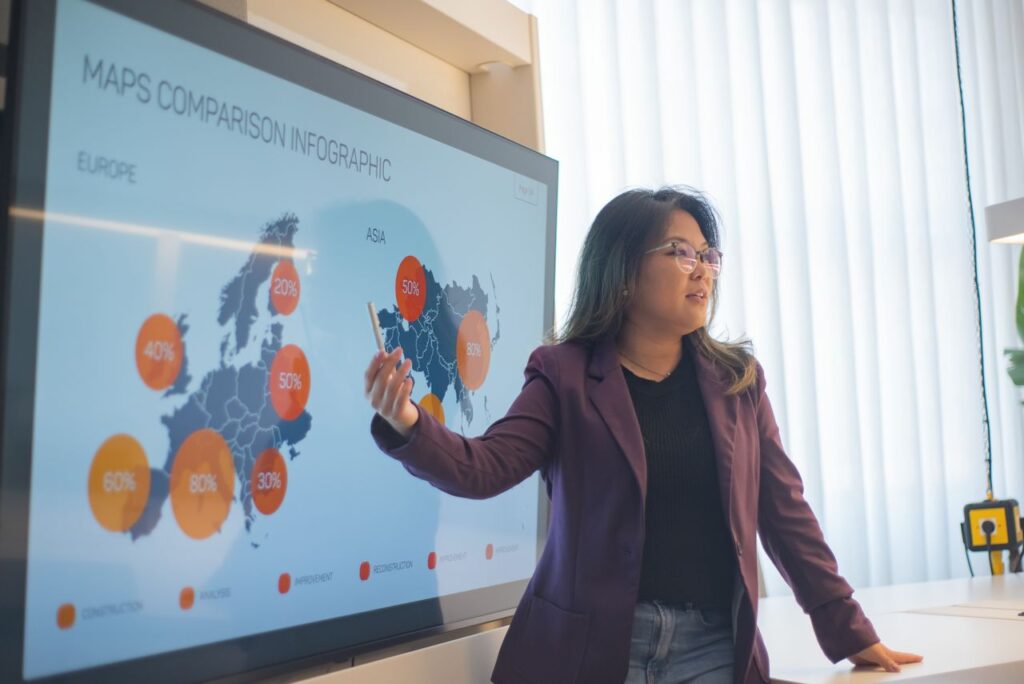
One of the most useful applications is forecasting. By analysing registration patterns and past events, AI models can estimate likely attendance and no-show rates, which helps you plan catering, seating and staffing with far more confidence. Over-catering and half-empty rooms are expensive mistakes that better forecasting helps you avoid.
Registration itself becomes smarter too. AI can flag drop-off points in the sign-up flow, segment your audience automatically, and surface which channels are bringing the most relevant registrations. Tying this into a well-designed event registration process means you learn from the data rather than just collecting it.
The caveat is data quality. Around 63% of planners cite poor or fragmented data as the main barrier to AI working well. Forecasts are only as good as the history behind them, so the value compounds as you run more events and keep clean records.
Forecasting also helps during the campaign, not just before it. If registrations are tracking behind projections, AI can flag it early enough to act, whether that means a fresh marketing push or a change of format. The aim is to make decisions on evidence while there is still time to change the outcome.
Content, Marketing and Personalisation

AI has become a genuine workhorse for event content. Around 43% of planners now use it to repurpose content, turning a single session into recap emails, social posts and summaries in a fraction of the time. For a lean marketing team, that reach is hard to match by hand.
Personalisation is the other strong use case. AI can build tailored agendas, recommend relevant sessions, and suggest networking matches based on attendee profiles, which makes a large event feel curated rather than generic. Folded into your event marketing, these touches lift engagement before, during and after the day.
The discipline here is editorial. AI drafts quickly but it also drifts into bland, generic phrasing if left unchecked. Treat its output as a first draft to shape, not a finished product to publish, and your brand voice stays intact.
AI is also widening access. Live captioning, real-time translation and automated transcripts make events more inclusive and more useful afterwards, which is especially valuable for the regional audiences common to Singapore events. Capabilities that were once costly add-ons are now well within reach for most corporate events.
Where Human Judgement Still Wins

For all its strengths, AI does not run events. Strategy, creative direction, relationship building and the final judgement calls on the day remain firmly human. An algorithm can suggest a format, but it cannot read a room, calm a nervous speaker, or decide in the moment to reorder the agenda when the energy dips.
This is why the planners getting the most from AI treat it as an assistant, not an autopilot. They let it handle the heavy lifting and reserve their own time for the decisions that actually shape the experience. The technology widens what a small team can do without replacing the people who make events feel human.
An experienced event management company brings that balance by default. The tools speed up delivery, while seasoned planners stay responsible for the strategy, the creativity and the relationships that determine whether an event lands.
There is also a responsibility dimension. Attendee data sits behind most AI features, so handling it carefully, being transparent about its use, and choosing reputable tools all matter. Used thoughtfully, AI builds trust rather than eroding it, and that trust is itself part of a good attendee experience.
Conclusion
AI is a powerful addition to corporate event planning when you point it at the right problems: forecasting, registration insight, content and personalisation, all under human direction. Used well, it gives your team back time and sharpens your decisions, without diluting the experience.
Here at Eventive, we combine practical technology with seasoned planners across every kind of corporate event, from seminars and conferences to product launches, tradeshows, roadshows, dinner and dances and networking events.
If you want an event management company in Singapore that blends smart tools with real expertise, contact Eventive today, and let’s plan your next event together.
Frequently Asked Questions (FAQ)
- Is AI worth using for corporate event planning?
Yes, for the right tasks. It is strongest at forecasting, registration analysis, content drafting and personalisation. Around 67% of planners already use it, though the benefit depends on clean data and clear human direction. - Will AI replace event planners?
No. AI accelerates the repetitive parts of planning, but strategy, creativity, relationship building and on-the-day judgement remain human. The best results come from planners using AI as an assistant, not a replacement. - What can AI help with first?
Start with the time-heavy basics: drafting timelines and run sheets, summarising documents, forecasting attendance, and repurposing event content into emails and social posts. These deliver quick, low-risk wins. - What is the main barrier to AI working well?
Data quality. About 63% of planners cite poor or fragmented data as the biggest obstacle. AI forecasts and recommendations are only as good as the history and records behind them. - How do I keep AI content on brand?
Treat AI output as a first draft, not a finished piece. Set a clear brief, edit for your brand voice, and check facts. This keeps the speed benefit while protecting quality and tone.
Share it out: