

Key Components of Successful Event Logistics
Jump To Section
In the world of event management, logistics form the backbone of any successful event. While many focus on the spectacle, stunning venues, captivating speakers, and engaging content it’s the seamless orchestration of logistics that truly makes an event memorable and stress-free. Whether you’re planning a corporate conference, product launch, or a large-scale festival, understanding and mastering event logistics is essential for smooth execution and attendee satisfaction.
In this blog, we explore the key components that contribute to successful event logistics, ensuring your event runs like a well-oiled machine from start to finish.
Mapping Out the Event Timeline and Flow
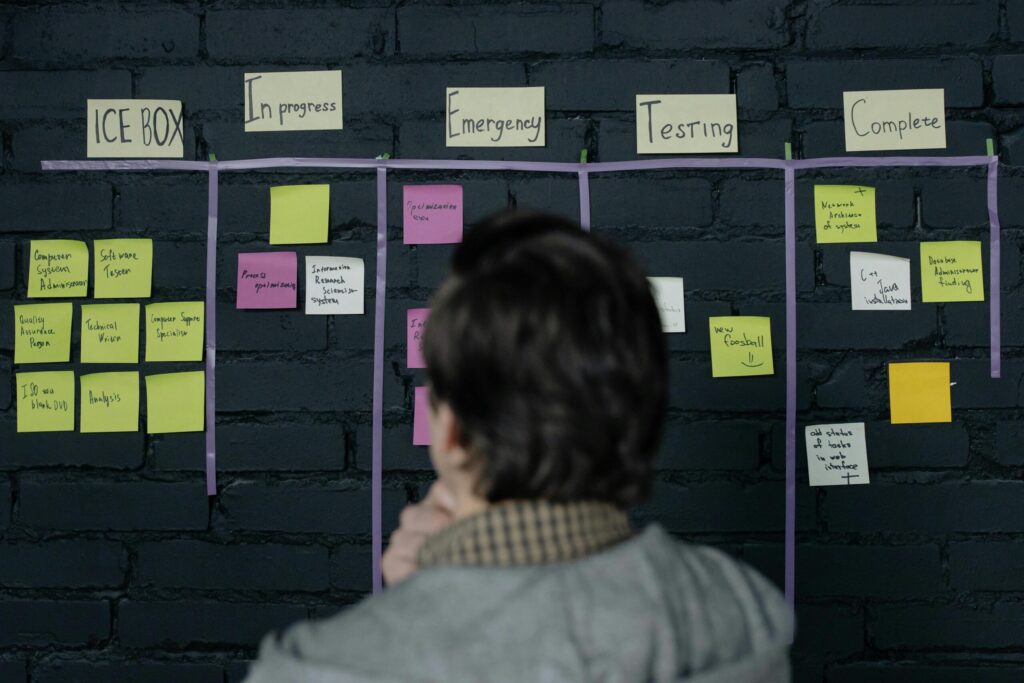
- Setup and teardown schedules
Clearly define when equipment, décor, and vendors arrive and depart. Precise timings prevent delays and overcrowding at loading areas. A well-planned schedule keeps the entire event timeline on track. - Staff briefings
Schedule moments for your team to gather for updates or last-minute instructions. Keeping everyone informed reduces confusion and empowers your team to handle challenges confidently. Regular briefings foster smooth coordination. - Session timings
Establish clear start and end times for every activity or presentation. Avoid overlapping sessions that can cause crowd congestion or attendee frustration. Well-timed sessions help maintain audience engagement. - Breaks and transitions
Allocate sufficient intervals for networking, refreshments, or moving between venues. Thoughtful spacing prevents bottlenecks and keeps the energy flowing. Breaks also give attendees time to recharge.
Coordinating Equipment and Material Deliveries

In event management, coordinating deliveries is one of the most critical and complex logistics tasks. It involves syncing everything from audiovisual gear and signage to catering supplies and furniture. Without precise coordination, delays or misplaced items can derail your event.
- Vendor communication
Maintain frequent and transparent communication with suppliers to confirm delivery times and setup needs. Open dialogue ensures everyone is aligned on expectations and timing. Early warnings help you adjust if problems arise. - Delivery windows
Schedule deliveries according to your venue’s policies and your event timeline. Large or sensitive equipment may require early arrival to allow proper installation. Aligning delivery windows with event flow minimizes disruptions. - Loading docks and storage
Verify that your venue offers suitable loading dock access and secure storage areas. Proper handling and safekeeping prevent damage or loss of materials. Organized storage helps vendors find what they need quickly. - Contingency planning
Always prepare backup options like alternate suppliers or rental gear. Having spares on hand guards against unexpected equipment failures or no-shows. Contingencies turn potential disasters into manageable situations.
On-Site Staff Roles and Communication Plans
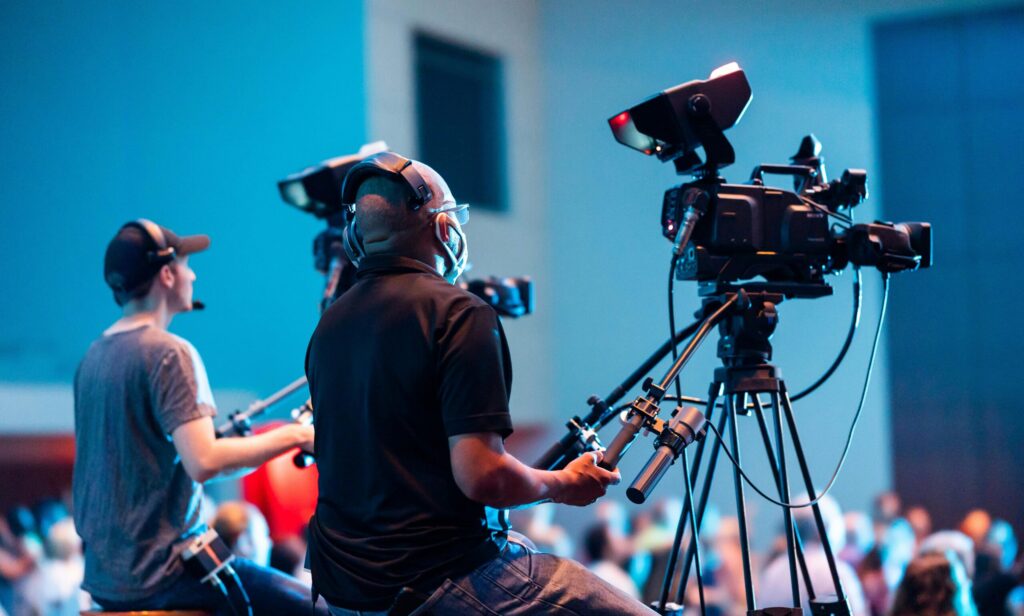
No matter how perfect your plans, execution depends on the people on the ground. Defining clear roles and establishing effective communication channels among on-site staff are non-negotiable for smooth event management.
- Define key roles
Assign essential positions such as Event Manager, Technical Crew, Registration Staff, Ushers, Security, and Vendor Liaisons. Clear responsibilities avoid duplication or gaps in coverage. Everyone knows their tasks and accountability. - Communication tools
Equip your team with radios, walkie-talkies, or event apps for constant contact. Instant communication enables quick problem-solving and coordination. Reliable tools keep everyone connected. - Centralized command center
Establish a coordination hub where leaders monitor progress and troubleshoot issues. A command center ensures swift decision-making and support. It’s the event’s nerve center. - Regular check-ins
Schedule briefings at key intervals to update the team on any changes or emerging situations. Consistent communication maintains alignment and morale. Staying informed reduces surprises. - Escalation protocols
Define who to contact when problems arise and how decisions are made. Clear escalation paths prevent delays and confusion. Swift responses keep the event on course.
Risk Management and Backup Plans

Even the most detailed logistics plan can be threatened by unforeseen events. Proactive risk management and robust backup plans ensure your event is resilient to disruptions.
- Identify potential risks
List possible issues such as technical failures, vendor no-shows, adverse weather, health emergencies, or logistical bottlenecks. Awareness is the first step to mitigation. Anticipating risks improves readiness. - Develop backup plans
Arrange alternatives like spare A/V equipment, standby vendors, or indoor venues for outdoor contingencies. Planning flexibility prevents last-minute scrambling. Backup options minimize impact on attendees. - Train staff on emergencies
Prepare your team with clear instructions for handling crises such as medical incidents or security threats. Empowered staff respond faster and more effectively. Training reduces panic and confusion. - Flexible timelines
Build buffer time into schedules to accommodate delays or stagger arrivals to avoid crowding. Adaptability helps maintain event flow despite setbacks. Flexibility is a crucial tool in risk management. - Continuous assessment
Regularly monitor the situation during setup and the event itself. Adjust plans in real-time as needed to address issues quickly. Dynamic management minimizes disruptions.
Being prepared transforms potential disasters into manageable challenges and safeguards your event’s success.
Handling Last-Minute Changes Without Stress
At its core, logistics is about creating a smooth and enjoyable experience for your guests. Thoughtful planning of guest movement from arrival to departure is essential in event management.
- Clear signage
Use directional signs, maps, and digital guides to help attendees navigate the venue effortlessly. Clear wayfinding reduces confusion and frustration. Well-marked routes improve flow and comfort. - Efficient check-in
Minimize wait times with pre-registration, multiple check-in stations, or self-service kiosks. Fast, hassle-free check-in sets a positive tone for the event. Technology enhances convenience. - Accessibility
Ensure all pathways, seating, and facilities accommodate guests with disabilities. Inclusive design reflects respect and meets legal requirements. Accessibility improves everyone’s experience. - Crowd flow management
Design entrances, exits, and corridors to prevent congestion, using ushers or barriers when needed. Smooth movement reduces stress and safety risks. Good crowd control promotes enjoyment. - Amenities and comforts
Provide rest areas, hydration stations, and information desks to keep attendees comfortable and informed. Attendee comfort supports engagement and positive feedback. Thoughtful touches make a lasting impression.
Prioritizing guest convenience encourages satisfaction and positive word-of-mouth, fueling future event success.
In event management, logistics may not be the flashiest element, but it is undeniably the foundation of every successful event. From mapping detailed timelines and coordinating deliveries to empowering on-site staff and preparing for risks, each component is vital in crafting seamless experiences.
At Eventive, we recognize that flawless logistics turn your event vision into reality. Our expertise helps you reduce stress, prevent chaos, and create memorable moments that resonate with attendees long after your event concludes.
If you’re ready to elevate your event management capabilities and ensure every detail is flawlessly executed, partner with Eventive today where expert planning meets seamless delivery.
Share it out: