

When Should You Start Planning a Corporate Event in Singapore?

Jump To Section
Key Insights:
- The ideal planning timeline for a corporate event depends on event type and scale, not a fixed number of weeks or months.
- Starting late limits venue choice, vendor availability, and overall event quality in ways that are not always obvious until execution.
- Planning works best when structured into clear phases rather than treated as a single linear countdown.
- Short timelines require prioritisation, simplification, and experienced coordination to deliver strong outcomes.
- Early alignment across stakeholders reduces last-minute risks and improves the quality of every downstream decision.
One of the most common questions in corporate event planning is deceptively simple: when should you actually start? The answer is rarely fixed. It depends on the type of event, its scale, and how complex the execution needs to be.
In Singapore, where venues and experienced vendors are in high demand, timing plays a particularly critical role. A well-planned event benefits from flexibility and choice. A rushed one almost always involves compromise. For corporate event organisers managing multiple priorities, understanding the right lead time can be the difference between a smooth execution and a reactive one.
This article breaks down how experienced teams approach planning timelines, and what to do when time is not on your side
Your Event Type Determines Your Lead Time
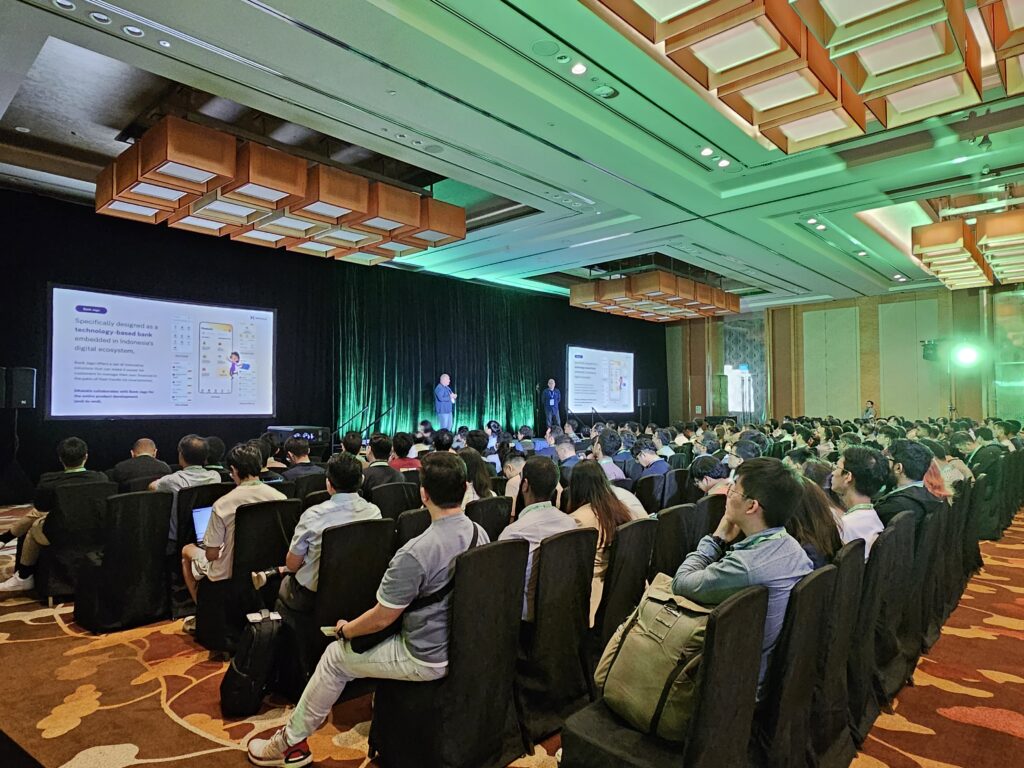
Not all corporate events operate on the same timeline. The complexity of the event, the number of stakeholders involved, and the level of production required all influence how early planning should begin.
For large-scale seminars and conferences, planning typically starts at least four to six months in advance. These events involve multiple speakers, detailed agendas, and often require coordinated event management efforts. Venue availability alone can become a significant constraint if planning begins too late.
Gala dinners also require a longer lead time, particularly when custom staging, entertainment, and thematic elements are involved. These events rely heavily on production quality and guest experience, both of which take time to design and execute properly.
Smaller networking events or internal corporate sessions can work on shorter timelines, sometimes as little as four to eight weeks. Even then, they benefit from early planning when attendee experience and engagement are genuine priorities.
Understanding the nature of your event allows you to set realistic expectations. When it comes to corporate event planning, timelines should be tailored to the event at hand, not standardised across every format.
What Gets Compromised When You Start Too Late

When timelines are compressed, something inevitably gives. The challenge is that these compromises are not always obvious at the start, but they become apparent during execution.
Choosing the right venue is often the first limitation. Prime locations in Singapore book months in advance, particularly during peak corporate seasons. Late planning forces organisers to choose from what is available rather than what best fits the event.
Vendor availability follows closely. Experienced AV teams, production crews, and technical specialists are in high demand. Without sufficient lead time, the options narrow, which can affect both quality and cost.
Event marketing efforts can suffer too. Rushed timelines leave less room for refining agendas, securing strong speakers, or aligning content with clear business objectives. This directly affects attendee engagement and the value people get from showing up.
Even event registration can be affected when time is short. Instead of a structured system that captures meaningful attendee data and supports personalisation, teams end up with basic forms that limit what can be done with the information before, during, and after the event.
Physical touchpoints such as event merchandise, from door gifts to branded materials, are also often overlooked when timelines are tight, reducing opportunities to reinforce brand presence and create a more considered attendee experience.
Late starts do not just affect logistics, they affect outcomes. This is why experienced teams treat time as a strategic resource in corporate event planning, not just a scheduling constraint.
Break Your Planning Into Phases, Not Just a Timeline
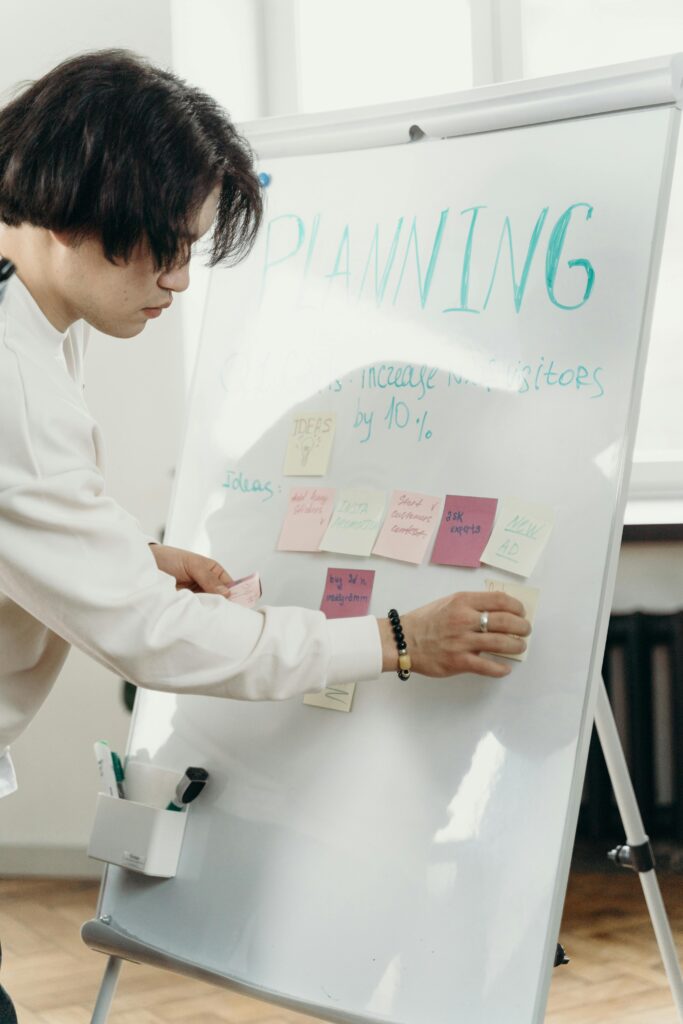
Rather than focusing purely on how many weeks or months are available, it is more effective to structure corporate event planning into clear phases. This approach creates better control and reduces the risk of bottlenecks.
Phase 1: Strategy and Alignment.
This includes defining objectives, identifying target audiences, and aligning stakeholders internally. Without this foundation, later decisions become inconsistent.
Phase 2: Planning and Coordination.
Venue sourcing, vendor selection, and programme development take place here. This is where event planning and event management work closely together to translate strategy into a workable plan.
Phase 3: Final Preparations
This includes finalising your event registration systems, confirming event production requirements, and coordinating logistics across teams. For events with regional elements, this phase may involve aligning crews across multiple markets and locations.
Phase 4: Delivery and Post-Event Follow-Up.
Execution on the day is only part of the process. Post-event reporting, feedback consolidation, and lead management are equally important for measuring success.
By thinking in phases rather than a single timeline, corporate event organisers gain flexibility. Delays in one area can be managed without derailing the entire event, which is especially valuable in complex corporate environments.
What to Do When the Timeline Is Already Short
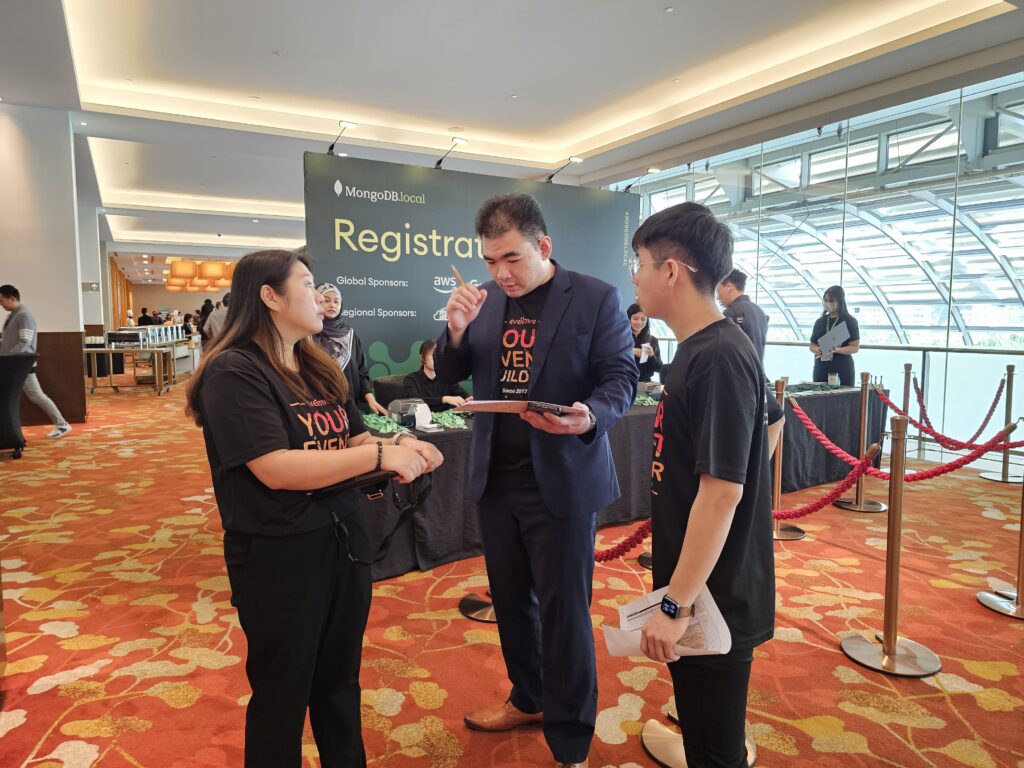
Not every event can benefit from ideal planning conditions. Business needs change, opportunities arise at short notice, and sometimes timelines are simply fixed by external factors. When that happens, the approach to corporate event planning needs to adapt quickly.
The first step is prioritisation. Not every element carries the same weight. Identifying what matters most for the specific event, whether that is attendee experience, lead generation, or brand visibility, guides decisions under time pressure and prevents effort being spread too thinly.
Where possible, simplify. Complex agendas, multiple formats, or production elements that are not essential to the core objective create friction. A focused, well-executed event consistently outperforms an overextended one that struggles to deliver on too many fronts.
Leveraging an experienced team becomes critical in compressed timelines. An established event management company in Singapore brings structured processes, existing vendor relationships, and the ability to move quickly without sacrificing quality. This is particularly valuable when coordinating logistics and on-site execution against a tight schedule.
Technology also helps bridge gaps. An efficient event registration system with QR check-ins, real-time attendance tracking, and on-site name tag printing reduces manual workload and improves operational flow, even when preparation time is limited.
For corporate event organisers working against a short timeline, the goal shifts from perfection to precision. With the right focus and coordination, even events with compressed lead times can deliver strong outcomes.
Conclusion
The right time to start corporate event planning is not defined by a fixed number of weeks or months. It is shaped by the complexity of the event, the expectations of stakeholders, and the level of experience you want to deliver.
Starting early creates options. It allows for better venues, stronger content, and smoother execution. When timelines are shorter, clarity and prioritisation become essential.
In practice, successful events come from structured planning, experienced coordination, and the ability to adapt when needed. With the right approach, timelines become a tool rather than a limitation.
Looking to start your corporate event planning with clarity and the right structure? We bring together event planning, management, production, and execution under one team to help you deliver seamless corporate events across Singapore and the region.
Contact us and let Eventive help you plan your next corporate event today!
Frequently Asked Questions (FAQ)
1. How far in advance should corporate event planning start in Singapore?
For large-scale events like conferences or gala dinners, planning should begin at least four to six months out. Smaller events can work with shorter timelines, but earlier planning always improves your options and the quality of what you can deliver.
2. What happens when corporate event planning starts too late?
Late planning limits venue availability, reduces vendor options, and affects programme quality. It often leads to higher costs, more reactive decision-making, and compromises that show up in the attendee experience.
3. Can a corporate event be planned in under a month?
Yes, but it requires strong prioritisation and experienced execution. Simplifying the event structure, focusing on core objectives, and working with a team that already has vendor relationships in place makes it possible to deliver a quality event in a compressed timeframe.
4. Why does event registration matter in corporate event planning?
A structured event registration system captures meaningful attendee data, improves check-in efficiency on the day, and supports post-event analysis and follow-up. When planning is rushed, registration is often where gaps first appear.
5. What are the key phases of corporate event planning?
The main phases are strategy and alignment, planning and coordination, final preparations, and delivery with post-event follow-up. Structuring planning into these phases gives organisers more control and flexibility than working from a single fixed timeline.
6. When should I engage an event management company in Singapore?
As early as possible. Engaging a professional event management company early secures better resources, streamlines planning across all workstreams, and significantly reduces the risks that typically surface in the lead-up to a corporate event.
Share it out: